· Cutek Team · Buying Guides · 10 min read
What Is a Circular Saw Blade? Types by Material and Construction
A practical introduction to circular saw blades, including TCT, Cermet, PCD, HSS, tool steel, and solid carbide saw blade types.
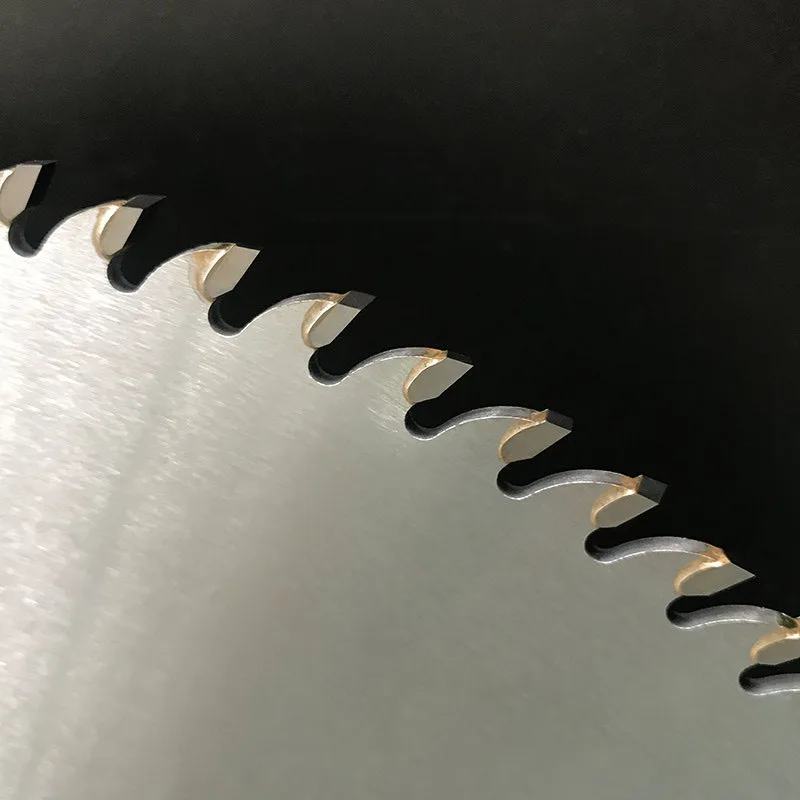
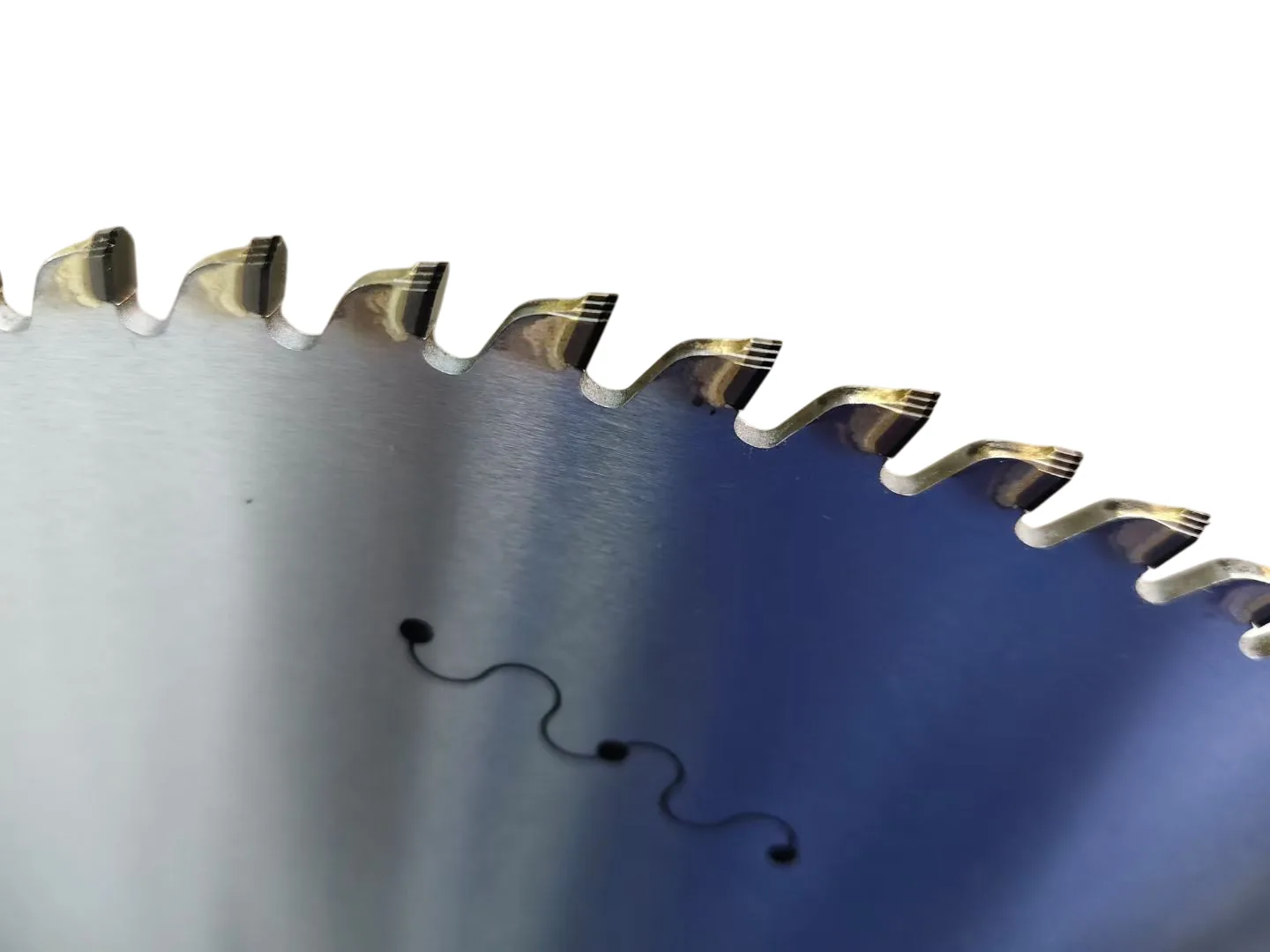
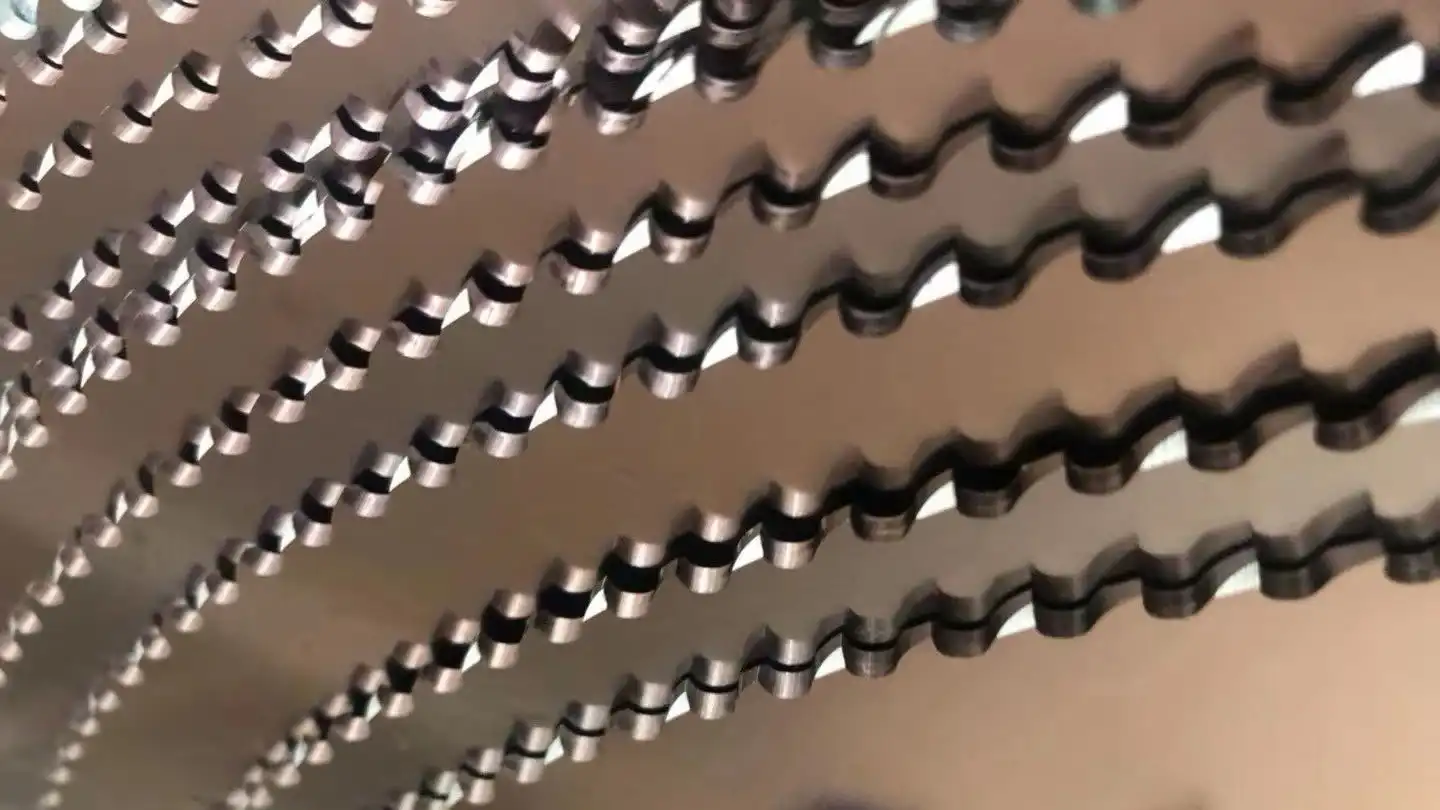
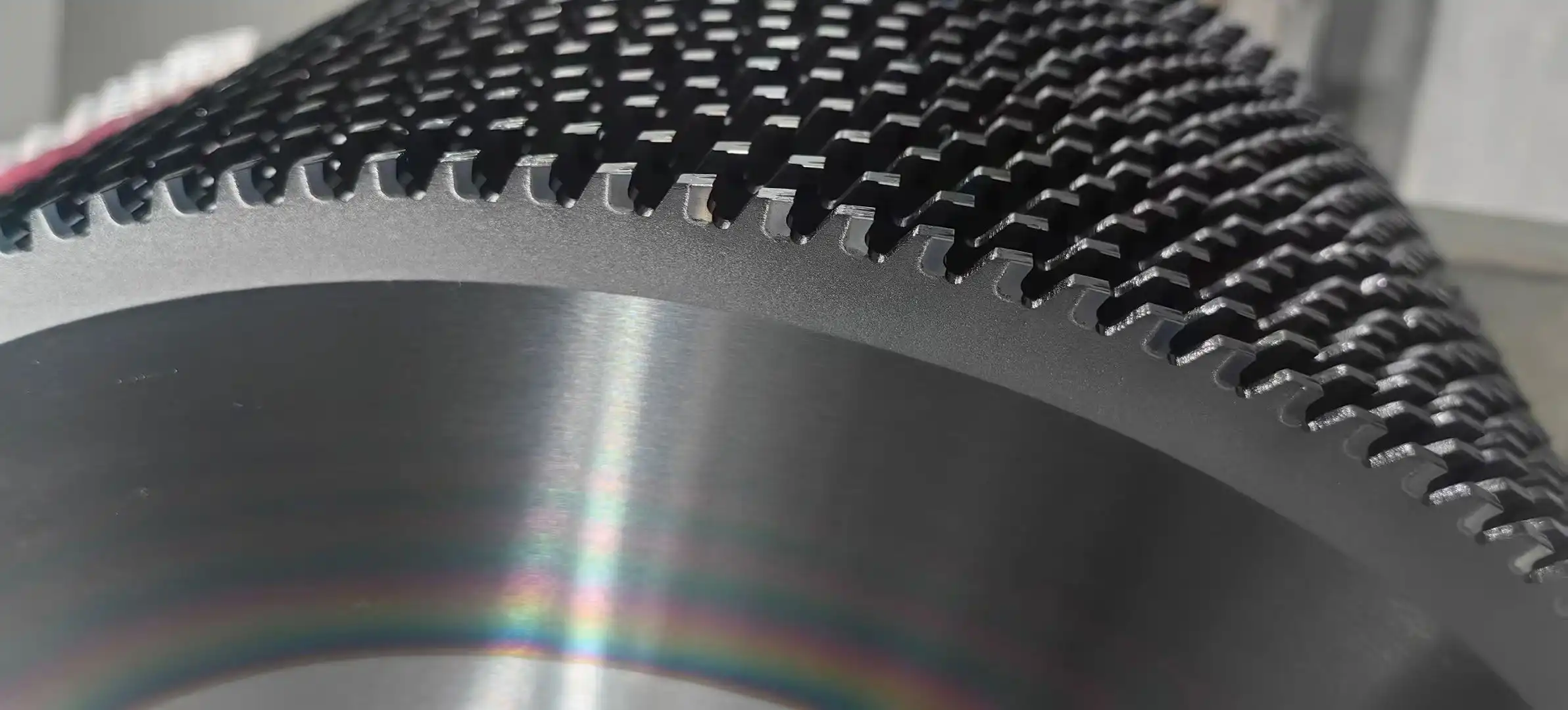
A circular saw blade is a round rotary cutting tool with teeth arranged around its outer edge. It is mounted on a machine and rotated at high speed to cut a workpiece by removing a controlled path of material. Depending on its design, a circular saw blade can cut metals, aluminum, wood, plastics, composites, and other industrial materials.
In simple terms, the blade body supports the cutting edge, the teeth enter the workpiece one after another, and the machine controls the blade’s speed and feed. Industrial circular saw blades are engineered for repeatable cutting on production equipment, from CNC saws and panel-sizing machines to cold saws, tube mills, and aluminum extrusion lines.
The most important distinction between circular saw blades is often the material used for the cutting edge. Some blades are made from one material throughout. Others use a tough steel body with brazed or mechanically attached cutting tips made from a harder material. This construction affects hardness, toughness, heat resistance, wear life, surface finish, maintenance, and cost per cut.
How a Circular Saw Blade Is Built
Most industrial circular saw blades have three functional areas:
- Blade body: The disc that carries the teeth and mounts to the machine spindle. Its thickness, tensioning, balance, and flatness affect stability and vibration.
- Teeth or cutting edge: The part that enters the workpiece and forms the kerf. Tooth geometry, tooth count, rake angle, and clearance determine how chips are formed and evacuated.
- Bore and mounting features: The center bore, keyways, drive pins, or flange surfaces that transfer torque from the machine to the blade.
The blade diameter is much larger than its body thickness, which is why an industrial blade must resist deflection while rotating at high speed. A thin blade can reduce material waste and cutting load, while a thicker body generally provides more rigidity for demanding cuts. The correct balance depends on the machine, workpiece, diameter, kerf, and cutting parameters.
Two Main Construction Categories
Circular saw blades can first be divided into monolithic saw blades and tipped saw blades.
Monolithic Circular Saw Blades
A monolithic blade is made from one primary material, with the teeth ground directly into the blade. There are no separately brazed carbide, cermet, or diamond tips. This construction can provide a continuous cutting edge and allows the blade to be resharpened as a single piece, but the material must provide both body strength and tooth wear resistance.
Common monolithic types include HSS, tool steel, and solid carbide circular saw blades.
Tipped Circular Saw Blades
A tipped blade combines a steel body with separate cutting tips. The body supplies toughness, flexibility, and vibration damping, while the tips provide the hardness or heat resistance needed at the cutting edge. The tips may be made from tungsten carbide, Cermet, or PCD and are typically brazed to prepared tooth pockets.
This construction lets the manufacturer optimize the body and the cutting edge independently. It is the basis of many high-production TCT, Cermet, and PCD circular saw blades.
Common Circular Saw Blade Types by Material
1. Tool Steel Circular Saw Blades
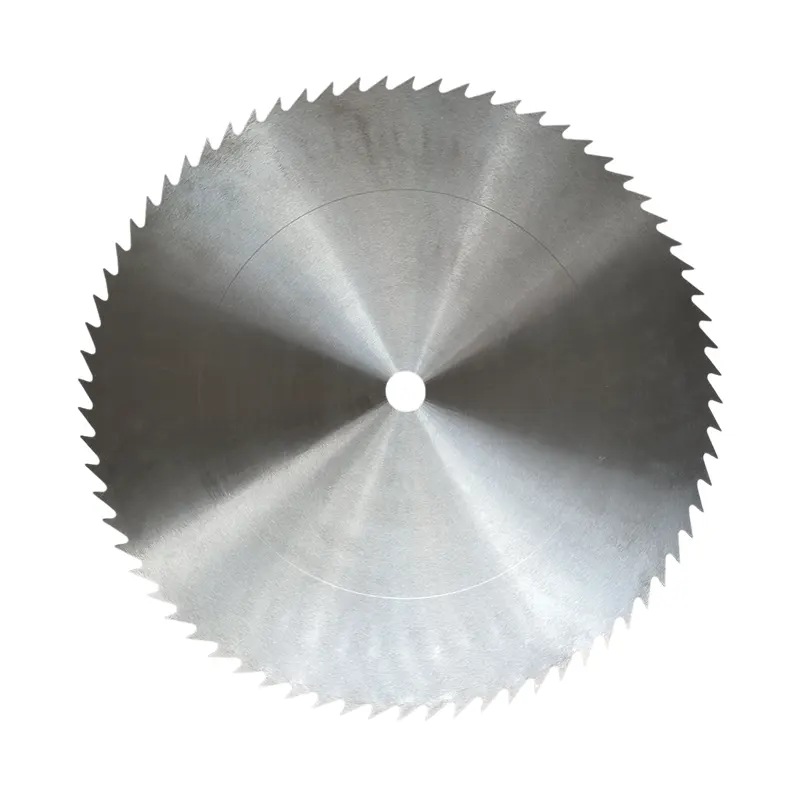
An overall tool steel circular saw blade is made from carbon steel or low-alloy tool steel, with its teeth ground directly into the disc. In this article, “tool steel blade” refers to a conventional monolithic steel blade rather than the higher-alloy HSS grades described below.
Tool steel blades are economical and straightforward to manufacture. They are suitable where cutting speeds, loads, and wear requirements are moderate, such as selected woodworking, light mechanical cutting, and applications where the blade is frequently replaced or resharpened. Their heat resistance and wear life are generally lower than those of HSS or tipped carbide blades, so they are not a universal solution for high-speed industrial metal cutting.
2. HSS Circular Saw Blades
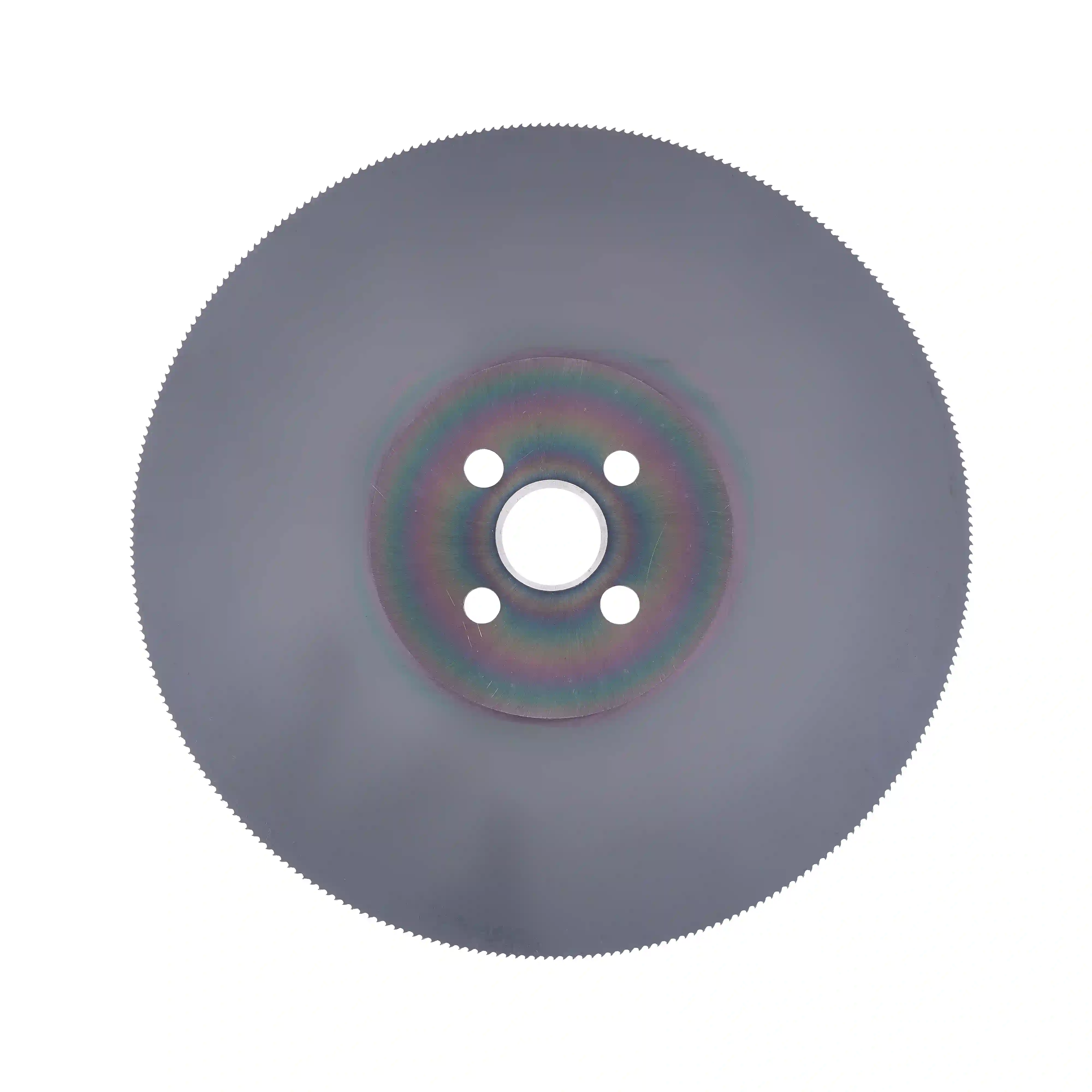
HSS, or high-speed steel, is a specialized family of high-alloy tool steels designed to retain useful hardness at elevated cutting temperatures. HSS circular saw blades are made from HSS throughout the blade, although some designs use coatings such as TiN, TiAlN, or CrN to improve sliding behavior and wear resistance.
Compared with conventional tool steel, HSS provides better hot hardness and wear resistance while retaining useful toughness. HSS blades are common in metal cold sawing, tube and profile cutting, and other applications involving ferrous workpieces. They can usually be resharpened several times when the blade body and tooth geometry remain serviceable.
HSS is not simply a synonym for every tool steel blade: HSS is a higher-performance subgroup with alloying and heat treatment intended for cutting at higher temperatures and speeds.
3. Solid Carbide Circular Saw Blades
A solid carbide circular saw blade is made from cemented tungsten carbide throughout its cutting structure rather than using a steel body with brazed tips. Cemented carbide offers very high hardness, stiffness, and wear resistance, but it is more brittle and less tolerant of shock or machine vibration than steel.
Solid carbide blades are therefore used selectively, often for small diameters, precision slitting, micro-machining, PCB or electronic-material processing, and other applications where dimensional accuracy matters more than impact tolerance. They require a rigid machine, low spindle runout, and carefully controlled cutting conditions to reduce the risk of tooth chipping or blade breakage.
4. TCT Circular Saw Blades

TCT means tungsten carbide tipped. A TCT circular saw blade has a steel body with individual tungsten carbide tips brazed onto the teeth. The steel body provides toughness and vibration damping, while the carbide tips provide a hard, wear-resistant cutting edge.
TCT is the most versatile industrial circular saw blade category. It is used for aluminum and other non-ferrous metals, solid wood, engineered wood panels, plastics, and many general-purpose cutting operations. The carbide grade and tooth geometry should be selected for the workpiece: a geometry that performs well in aluminum may not be suitable for steel or abrasive composite boards.
For example, circular saw blades for aluminum often use a high positive rake and a tooth design that promotes chip evacuation. Wood and panel-processing blades may use an ATB, triple-chip, or other geometry to balance surface finish and resistance to chipping.
5. Cermet Circular Saw Blades
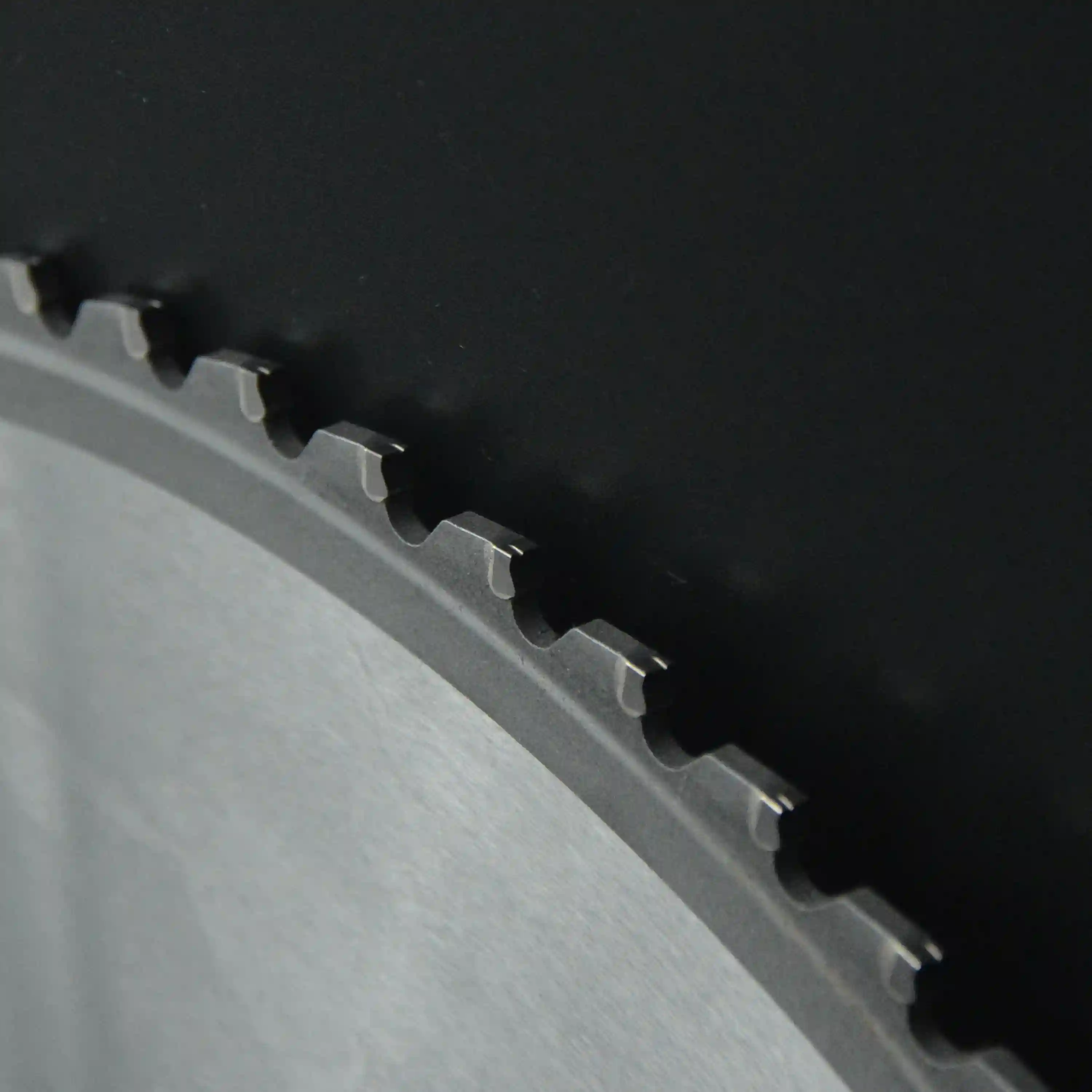
Cermet is a composite cutting material that combines ceramic phases, such as titanium carbide or titanium nitride, with a metallic binder. In a Cermet circular saw blade, Cermet tips are brazed onto an alloy steel body.
Cermet tips can provide high-temperature oxidation resistance and low chemical affinity with iron. This makes them useful for high-efficiency dry or lightly lubricated cutting of carbon steel, structural steel, and other ferrous materials. They can deliver a clean cut and long edge life when the machine, workpiece, and cutting parameters are well matched.
Cermet is harder and more heat-resistant than many conventional carbides, but it can be less tolerant of severe impact or interrupted cuts. A stable machine, accurate setup, and suitable tooth geometry are especially important for production applications.
6. PCD Circular Saw Blades
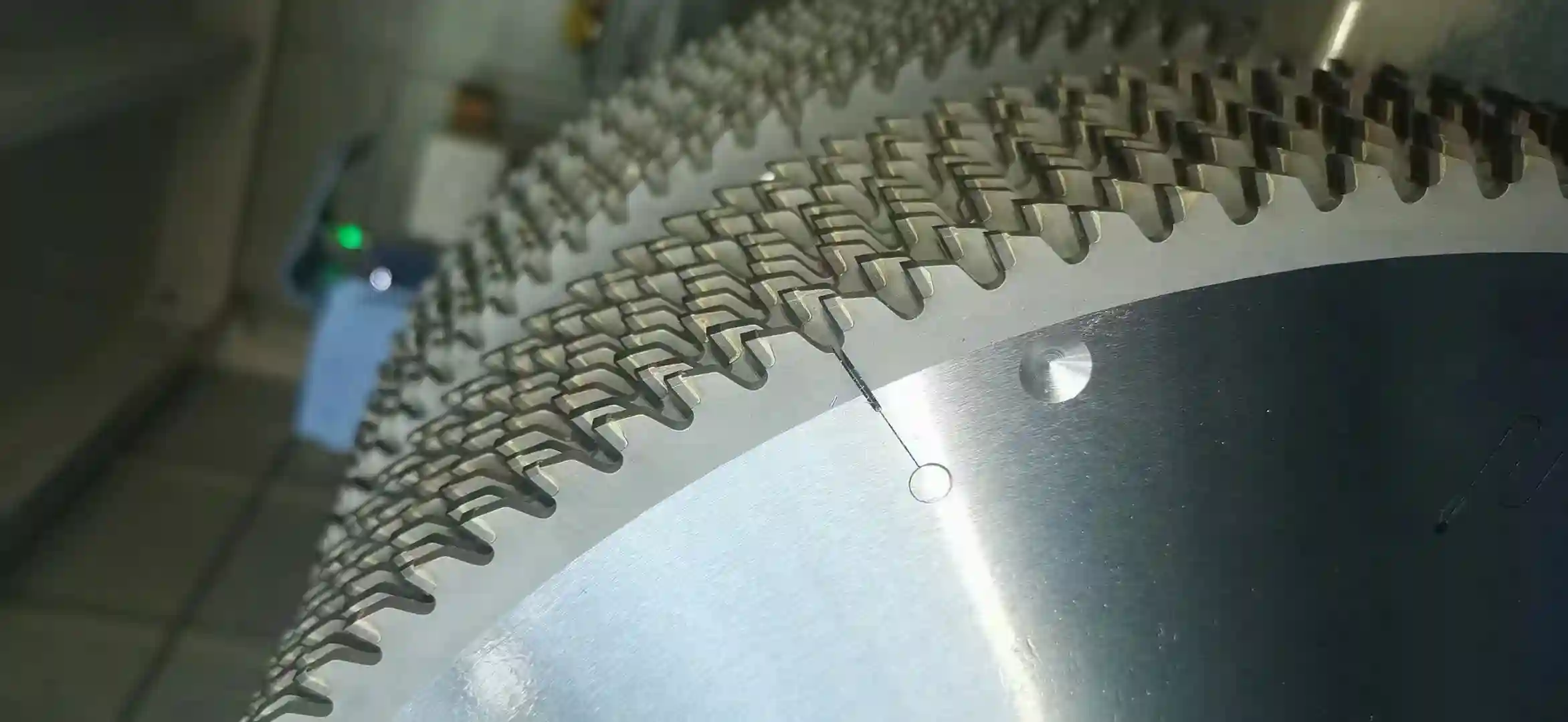
PCD means polycrystalline diamond. A PCD circular saw blade uses synthetic diamond particles sintered into a cutting layer, usually supported by a tungsten carbide substrate and brazed to a steel blade body.
PCD provides exceptional wear resistance on highly abrasive non-ferrous and non-metallic materials. Typical applications include fiber cement board, calcium silicate board, carbon fiber composites, high-density laminates, abrasive aluminum alloys, and other materials that can wear ordinary carbide very quickly. PCD is also used for selected aluminum profiles and thermal-break profiles when the application benefits from a long, stable cutting edge.
The higher purchase price of a PCD blade can be justified when long tool life, fewer blade changes, and consistent production matter more than the initial price. Actual service life depends on the workpiece, contamination, machine stability, tooth design, cutting parameters, and sharpening process, so fixed claims such as a universal number of times longer than TCT should be treated cautiously.
Circular Saw Blade Material Comparison
| Blade type | Main construction | Main strengths | Typical applications |
|---|---|---|---|
| Tool steel | One-piece carbon or low-alloy tool steel body | Low cost, simple resharpening, useful toughness | Light-duty wood or mechanical cutting |
| HSS | One-piece high-speed steel body | Hot hardness, wear resistance, resharpening potential | Steel tubes, profiles, and medium-speed metal sawing |
| Solid carbide | Monolithic cemented tungsten carbide | High stiffness, hardness, and precision | Small-diameter precision cuts and special materials |
| TCT | Steel body with tungsten carbide tips | Versatile, tough, broad material compatibility | Aluminum, wood, panels, plastics, and general industrial cutting |
| Cermet | Steel body with Cermet tips | Heat resistance and clean ferrous-metal cutting | Carbon steel, structural steel, and production cold sawing |
| PCD | Steel body with polycrystalline diamond tips | Very high abrasive wear resistance | Fiber cement, laminates, composites, and abrasive aluminum |
Other Factors That Matter When Choosing a Blade
Material is only the starting point. The following factors can change cutting performance as much as the blade material itself.
Tooth Geometry and Tooth Count
Tooth shape controls how the cutting edge enters the material, splits the chip, and leaves the cut. Common geometries include Alternate Top Bevel (ATB), Flat Top Grind (FTG), and Triple Chip Grind (TCG). Tooth count affects chip load and surface finish: more teeth can improve finish and reduce the chip size, while fewer teeth can improve chip space and productivity in some applications.
Kerf and Blade Thickness
Kerf is the width of material removed by the blade. A thin kerf can reduce material loss, machine load, and cutting waste, which is valuable when processing expensive aluminum or wood stock. A thicker body and wider kerf can provide additional stability for heavy-duty cuts. The blade must still match the machine’s spindle, guards, flanges, and feed system.
Machine Rigidity, Speed, and Feed
The blade material cannot compensate for a poorly matched machine. Spindle runout, flange condition, workholding, cutting speed, feed rate, coolant or mist, and chip evacuation all influence tool life. High-performance blades need a stable setup and parameters that keep tooth load and heat within the intended range.
Workpiece and Production Goals
Consider the material hardness, abrasiveness, cross-section, wall thickness, surface-finish requirement, expected volume, and acceptable cost per cut. A general-purpose TCT blade may be the best choice for a mixed job shop, while a PCD blade can be more economical on a high-volume abrasive board line. A Cermet or HSS blade may be better suited to a dedicated ferrous-metal production line.
Summary
A circular saw blade is a round, toothed cutting tool that removes material as it rotates at high speed. The main material classifications are monolithic tool steel, HSS, and solid carbide blades, together with tipped TCT, Cermet, and PCD blades. Each type balances hardness, toughness, heat resistance, wear life, maintenance, and cost differently.
The right choice is not determined by the blade material alone. Match the blade construction and tooth geometry to the workpiece, machine, cutting parameters, surface-finish target, and production volume. If you need help selecting a circular saw blade for aluminum, steel, wood, plastics, or composite materials, contact Cutek’s engineering team with your material and cutting-line requirements.