· Cutek Team · Buying Guides · 5 min read
TCT vs. Cermet Cold Saw Blades: A Procurement Guide to Cutting Steel
A buyer-focused breakdown of tungsten carbide (TCT) and cermet cold saw blade tips—their composition, mechanical properties, cutting behavior on steel, and which steel products and sawing machines each one suits best.
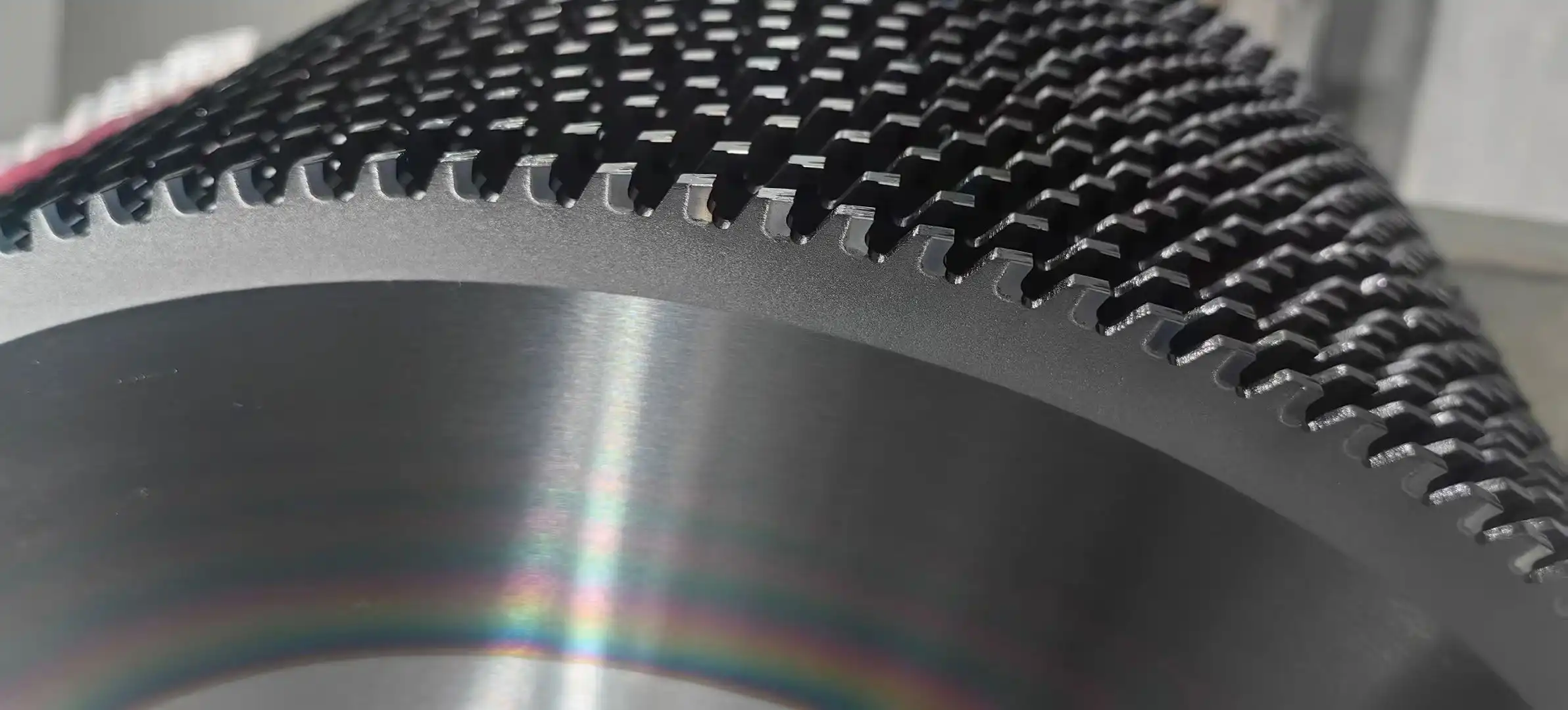
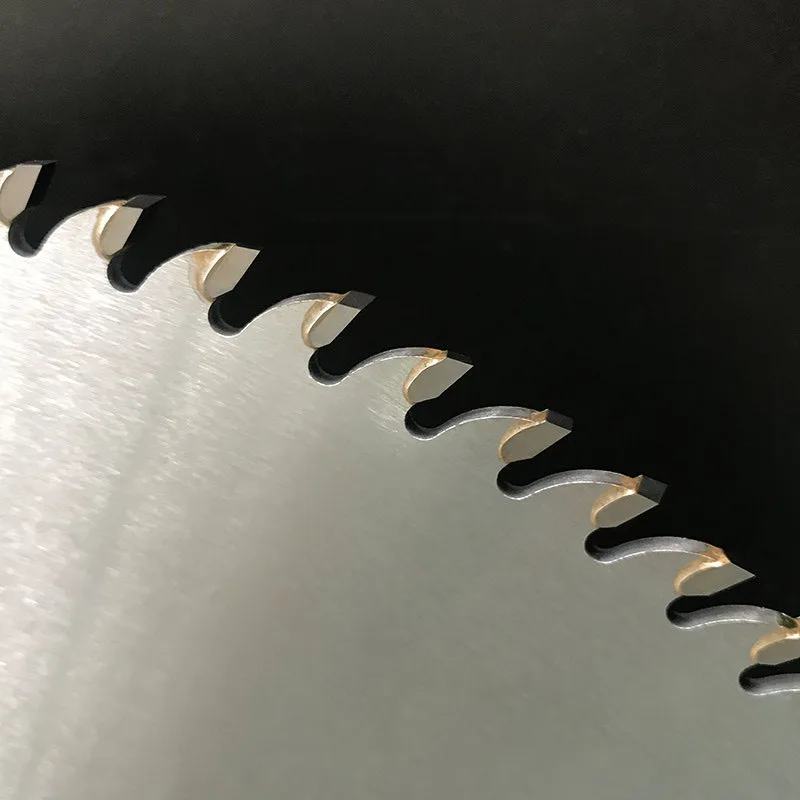
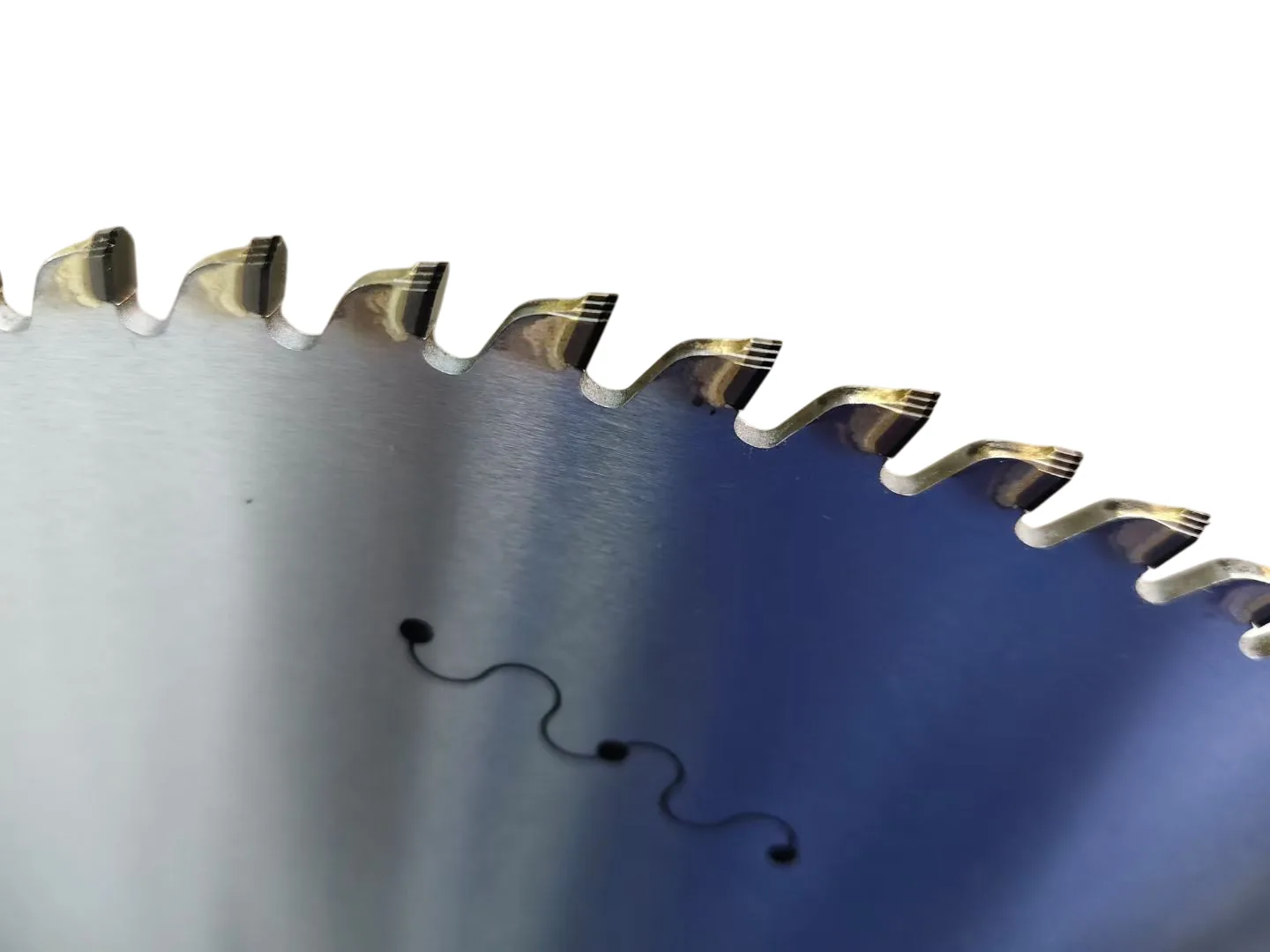
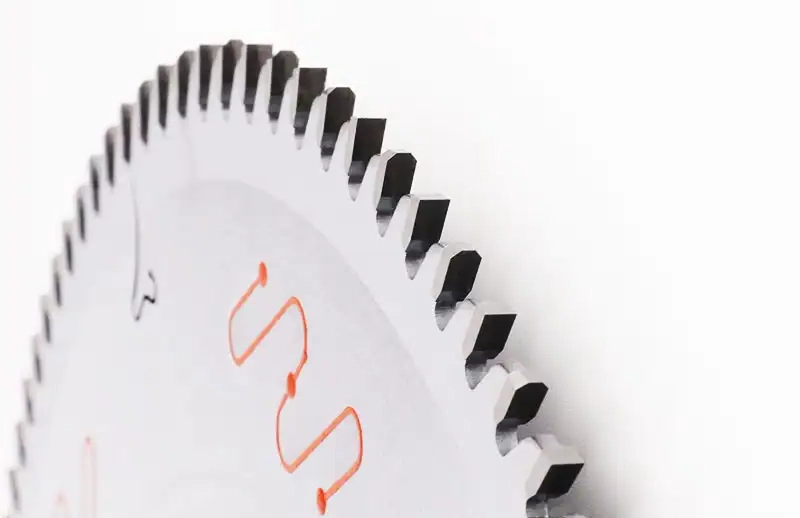
When you specify a cold saw blade for cutting steel, the tip material quietly decides your cut quality, your cycle time, and how often the blade chips out. The two dominant tooth materials are TCT (Tungsten Carbide Tipped) and cermet. They look similar on a spec sheet, but they behave very differently on the saw. This guide explains the real differences so your purchasing and engineering teams can match the right blade to the right steel.
What Each Tip Is Actually Made Of
Tungsten carbide (TCT): The teeth are a sintered composite of tungsten carbide (WC) grains bonded by a metallic binder, almost always cobalt (typically 6–12% Co). Tungsten carbide is dense (roughly 14–15 g/cm³), very hard, and—thanks to the cobalt binder—relatively tough and shock-tolerant.
Cermet: The name is short for ceramic-metal. Instead of tungsten carbide, the hard phase is built on titanium-based ceramics—mainly titanium carbonitride (TiCN), often with titanium carbide (TiC) and titanium nitride (TiN)—held in a nickel and/or cobalt binder, frequently with molybdenum added to improve wetting. Cermet is far lighter (around 6–7 g/cm³) and chemically much closer to a ceramic than to a metal.
That difference in chemistry, not just hardness, is what drives everything below.
Mechanical Properties: Toughness vs. Heat Resistance
The two materials sit at opposite ends of a familiar trade-off—toughness versus hardness and heat resistance.
- Hardness: Both are hard, but cermet holds its hardness better as the cutting edge heats up (good “red hardness”). Tungsten carbide starts to lose hardness sooner as temperature climbs.
- Toughness / shock resistance: Tungsten carbide wins clearly here. Its higher transverse rupture strength means it absorbs impact and interrupted cuts without micro-chipping. Cermet is harder but more brittle, so it dislikes shock and vibration.
- Chemical affinity to steel: This is the underrated one. Tungsten carbide has a relatively high chemical affinity for iron, which encourages built-up edge (BUE) and adhesive wear at high speed. Cermet’s titanium-based chemistry is far more inert toward steel, so it resists adhesion and stays sharp longer at high cutting speeds.
- Oxidation resistance: Cermet’s TiN/TiCN chemistry resists oxidation better at elevated temperatures, supporting faster, drier cutting.
How They Behave as Saw Teeth
Translate those properties to the cut and the picture gets practical.
A cermet tooth runs hotter and faster without welding steel to the edge. Because it resists adhesion and keeps a keen edge, it leaves a brighter, cleaner, near-mirror cut face with minimal burr—exactly what you want on visible or precision-machined ends. The catch is brittleness: cermet needs a rigid machine, stable clamping, and a continuous, well-supported cut. Hit it with vibration, a hard weld seam, or an unstable workpiece and the tips micro-chip.
A TCT tooth is the forgiving all-rounder. It tolerates interrupted cuts, vibration, weld seams, and less-than-perfect machine rigidity. The surface finish is good rather than glass-like, and at very high speeds it is more prone to built-up edge than cermet—but it keeps cutting where cermet would shatter.
Cutting Speed on Steel
Cutting speed for sawing is best compared as linear (peripheral) speed in m/min, not spindle RPM, because RPM changes with blade diameter. The numbers below are general ranges for cold sawing carbon and alloy steel and will shift with grade, section, coolant, and machine rigidity:
- TCT on steel: roughly 60–160 m/min.
- Cermet on steel: typically 150–350 m/min, taking advantage of its red hardness and low affinity to iron.
Stainless and high-strength alloys pull both of these speeds down; free-machining and low-carbon steels allow the higher end.
Matching the Blade to the Steel and the Machine
This is where the choice gets concrete. The deciding factor is almost always how much shock and interruption the cut involves, followed by the surface finish you need.
Choose cermet when the cut is stable and continuous, and finish matters:
- Solid bar and billet on stationary high-speed circular cold saws, where a clean, bright, low-burr face speeds downstream machining.
- Thick-wall and seamless tube on stationary cold saws with rigid clamping and no hard weld seam to slam through.
- High-volume, high-speed production of consistent steel grades where the priority is throughput and finish, and conditions are well controlled.
Choose TCT when the cut is interrupted, the work is unstable, or the machine isn’t perfectly rigid:
- ERW / welded tube on flying cut-off saws and orbital (traveling) cut-off saws, where the tooth repeatedly enters and exits and meets a hard weld seam—cermet would chip here.
- Thin-wall tube and light structural profiles that flex and chatter.
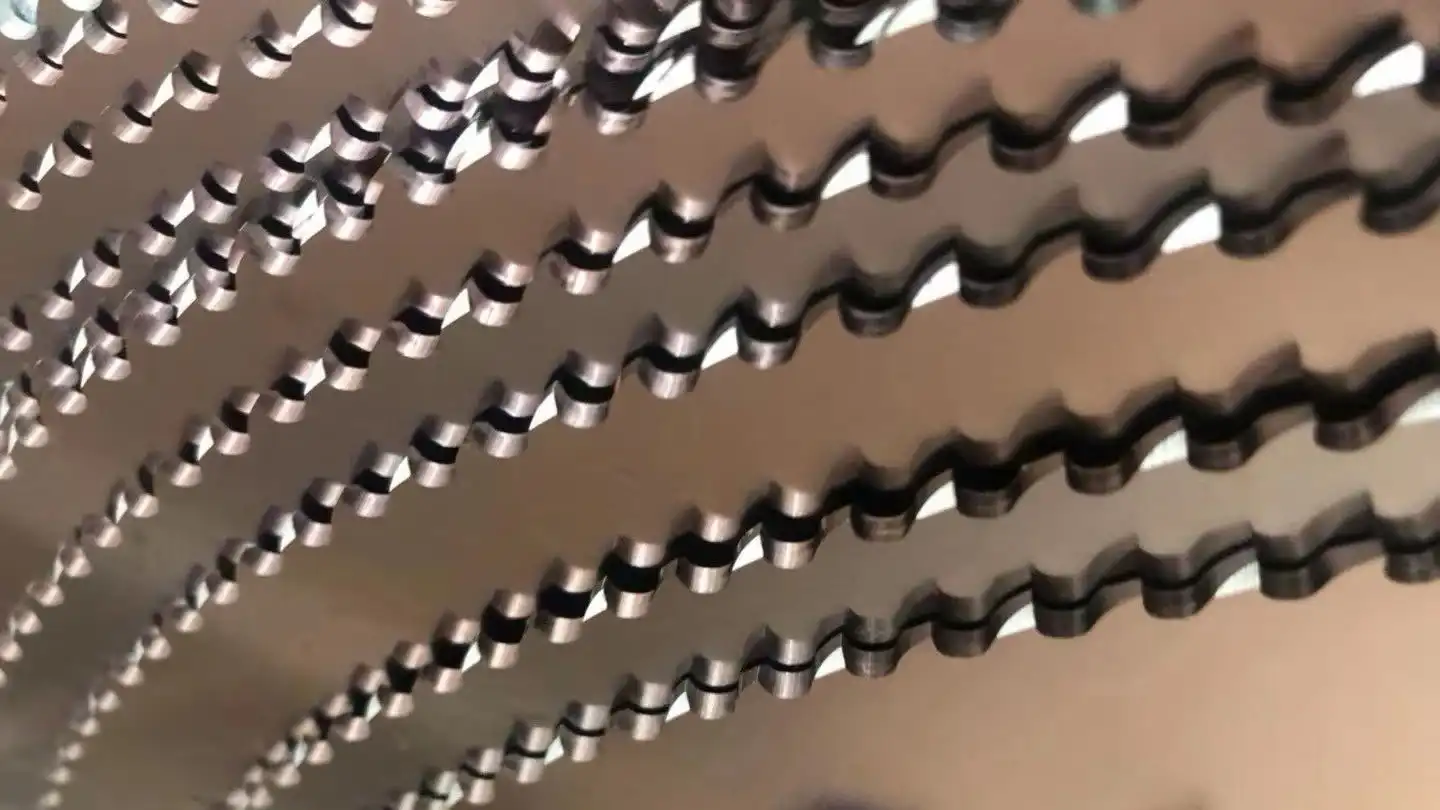
- Bundle / layer cutting on multi-tube bundle saws, where the blade slices many tubes at once with constant entry-and-exit interruption.
- Large ingots, heavy bars, plate, and structural sections on big cold saws, where toughness through a large or variable cross-section matters more than a mirror finish.
A simple rule of thumb: continuous, rigid, finish-critical → cermet; interrupted, shock-prone, tube-mill and bundle work → TCT.
Quick Comparison
| Factor | TCT (Tungsten Carbide) | Cermet (TiCN-based) |
|---|---|---|
| Hard phase / binder | WC grains in cobalt | TiCN/TiC ceramic in Ni-Co(-Mo) |
| Density | ~14–15 g/cm³ | ~6–7 g/cm³ |
| Toughness / shock resistance | High | Lower (more brittle) |
| Red hardness / heat resistance | Good | Higher |
| Affinity to steel (BUE risk) | Higher | Low (inert) |
| Typical steel cutting speed | ~60–160 m/min | ~150–350 m/min |
| Surface finish | Good | Brighter, near-mirror |
| Best fit | Welded/thin tube, bundle saws, orbital & flying cut-off, large sections | Solid bar/billet, thick-wall & seamless tube, rigid high-speed lines |
The Takeaway for Buyers
Neither tip is universally “better”. Cermet is the precision, high-speed, finish-first choice for stable, continuous cuts on solid steel and thick-wall tube. TCT is the tough, shock-absorbing choice for welded tube, thin walls, bundle cutting, orbital and flying cut-off saws, and large or interrupted sections.
If you tell us the steel grade, the section you’re cutting (solid, thick‑wall, welded, seamless, or structural), and the type of machine you’re running—whether it’s a stationary high‑speed cold saw, a flying or orbital cut‑off, a large cold saw, or a bundle saw—we can recommend the right cold saw blade for your job.