· Cutek Team · Buying Guides · 5 min read
PCD vs. TCT Circular Saw Blade: 5 Differences That Decide Your Cost-Per-Cut
A procurement-focused comparison of PCD and TCT circular saw blade technologies—covering edge material, real-world tool life, surface finish, resharpening logistics, and cost-per-cut—so you can match the right blade to your cutting line.
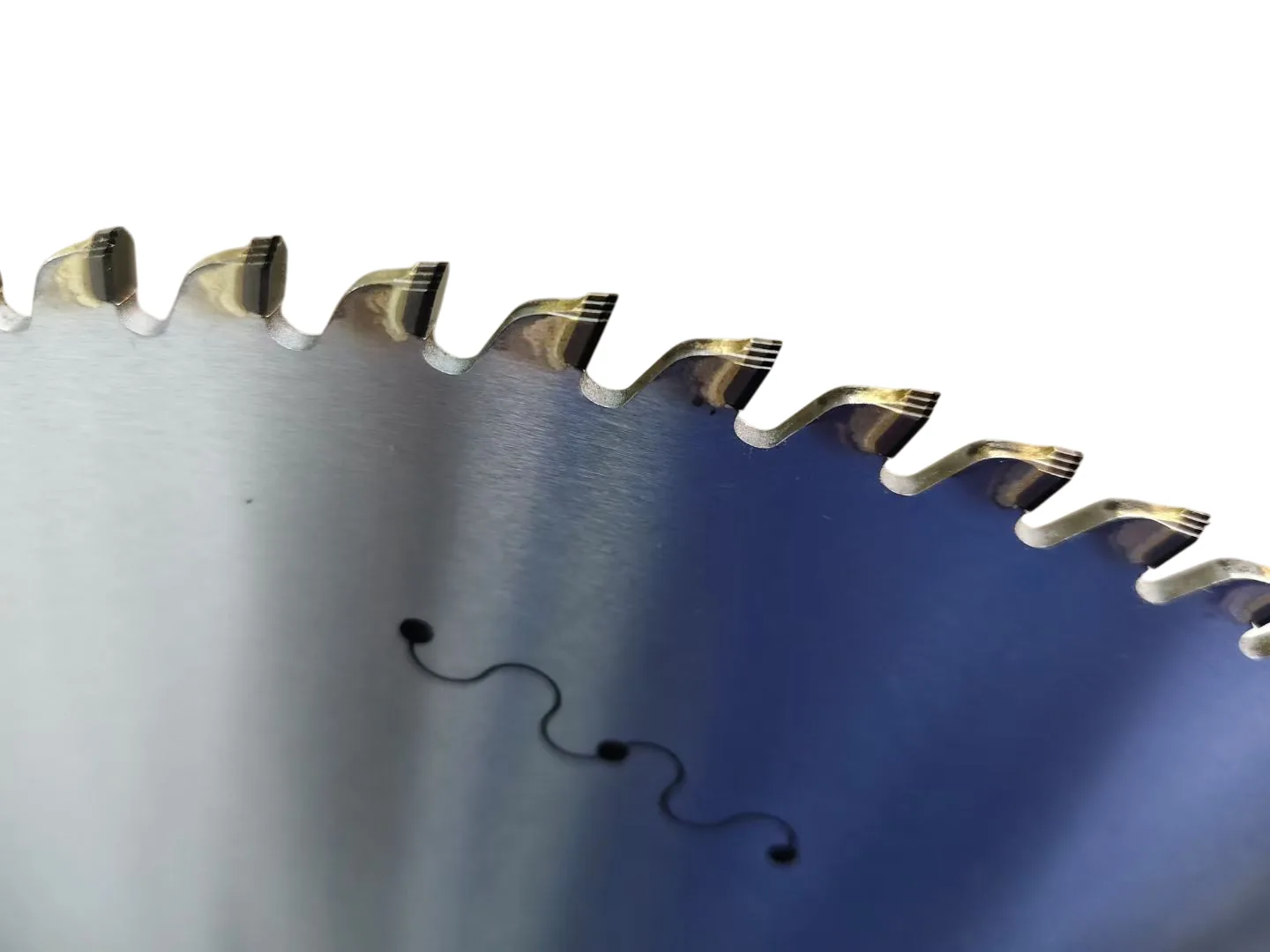
In non-ferrous metal processing, furniture manufacturing, and composite material machining, tooling cost can quietly erode your margins. For procurement managers and technical directors, choosing the right circular saw blade is what balances upfront spend against long-term production efficiency.
When you cut highly abrasive materials such as composite material or melamine-faced particleboard, the decision usually narrows to two technologies: Tungsten Carbide Tipped (TCT) and Polycrystalline Diamond (PCD). Understanding how a TCT blade and a PCD blade actually differ on the shop floor is essential to optimizing your cutting line. Here are the five differences that matter most.
1. Edge Material: What Drives the Cut
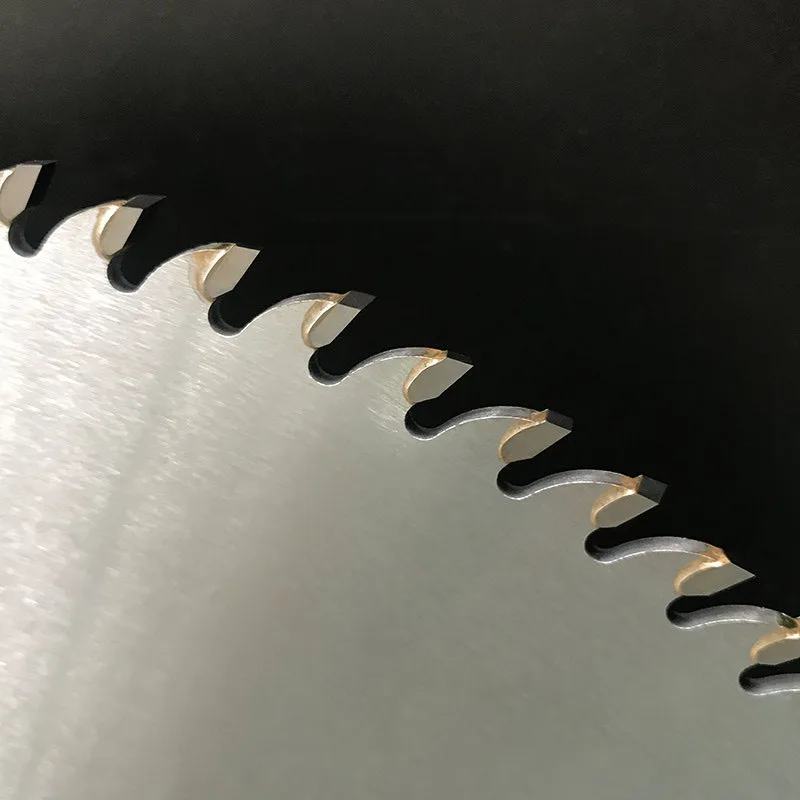
Both designs braze a hard cutting tip onto a tensioned steel plate, but the tip material is where they diverge.
- TCT (Tungsten Carbide Tipped): The teeth are a sintered composite of tungsten carbide grains held in a metallic binder, usually cobalt. Carbide is tough, versatile, and offers excellent fracture toughness against mechanical shock—the reason a TCT circular saw blade remains the industry workhorse.
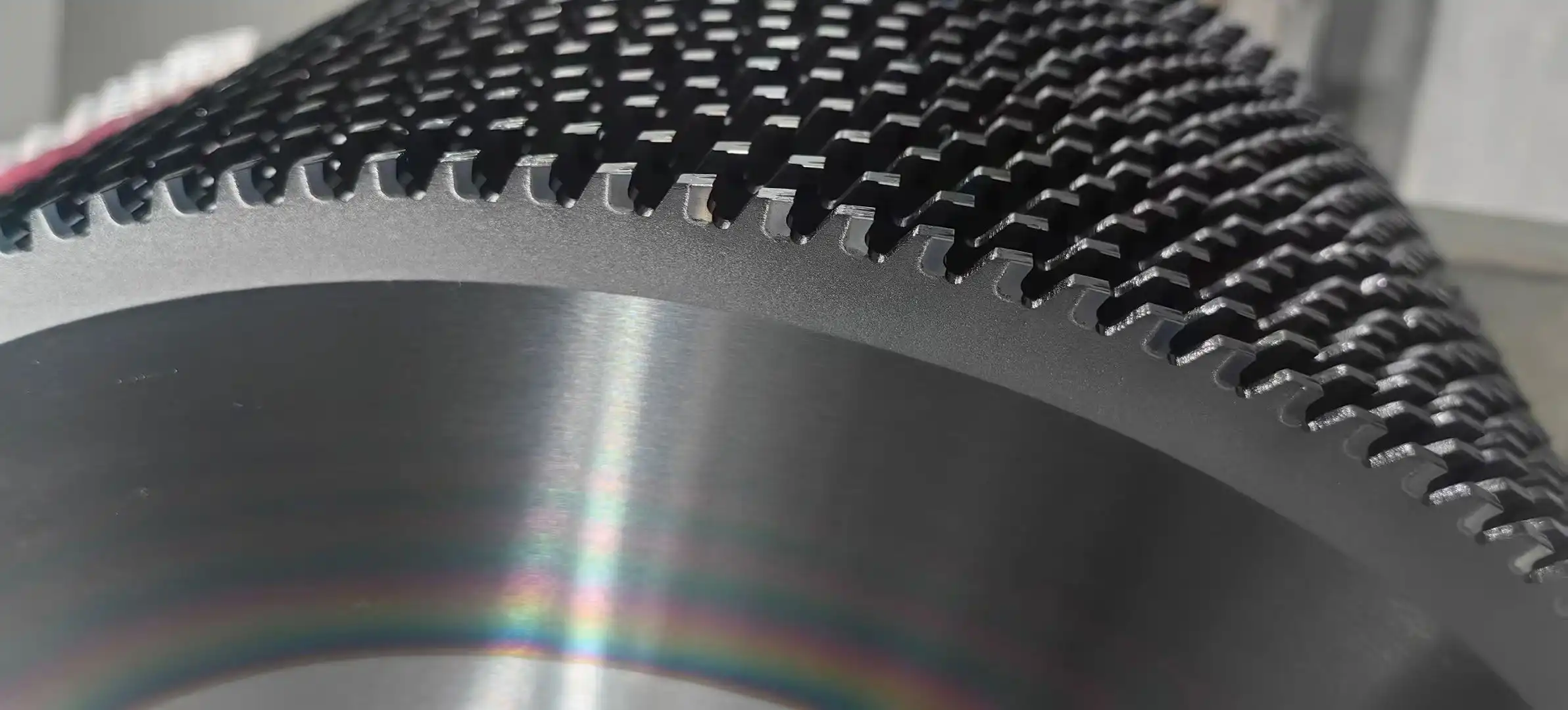
- PCD (Polycrystalline Diamond): The teeth carry a polycrystalline diamond (PCD) cutting layer—an HPHT‑sintered structure of synthetic diamond grains and a metallic binder—brazed onto a tungsten‑carbide substrate. Diamond is the hardest cutting material in manufacturing, giving a PCD circular saw blade unmatched wear resistance on abrasive workpieces that would quickly destroy standard carbide.
2. The Truth About Tool Life: The 10x Rule
Marketing sheets love to claim PCD lasts “50 to 100 times longer” than TCT. A seasoned buyer should stay objective.
Those extreme multiples only appear in tightly controlled lab conditions. Real factories deal with machine vibration, operator variation, and material impurities. In practice, a high-quality PCD circular saw blade reliably delivers at least 10 times the service life of a premium TCT blade between tool changes. That 10x baseline is the safest figure to use when you calculate return on investment and model machine downtime.
3. Surface Finish: It Comes Down to Edge Radius
Cut quality is one of the most misunderstood differences, and it traces directly back to how the teeth are finished.
A TCT circular saw blade is sharpened with precision diamond grinding wheels. That mechanical grinding produces an extremely fine cutting-edge radius—microscopically razor-sharp—so a fresh TCT blade often leaves a near mirror finish on the workpiece.
Diamond, however, is too hard to grind with conventional wheels. A PCD blade must be shaped by Electrical Discharge Machining (EDM)—wire or spark erosion. EDM leaves a slightly larger micro-edge radius and a fine texture on the cutting face. So while a PCD circular saw blade cuts cleanly for an enormous duration, its initial finish may not be quite as mirror-like as a brand-new TCT edge. PCD shines where extreme longevity matters and a clean, standard industrial finish is acceptable.
4. Resharpening Logistics and Convenience
Maintenance is a major part of total cost of ownership for any circular saw blade.
A TCT blade is simple to service. Almost any local sharpening center has the CNC grinders needed to regrind carbide teeth, so turnaround is fast and your logistics stay simple. Servicing a PCD blade is far more involved. Diamond teeth can only be reshaped on specialized, expensive EDM erosion machines, which most local shops do not own. You have to budget for the shipping time and lead time of sending a dull blade back to the manufacturer or a high-end tooling partner—a real factor in your maintenance supply chain.
5. Price and Ideal Applications
A PCD circular saw blade costs significantly more up front—often several times the price of a TCT version. But cost-per-cut, not sticker price, is what actually protects your margin.
When to choose TCT: It is still the most versatile circular saw blade available. Reach for it when you need a flawless mirror finish, when older machinery may vibrate (carbide is less brittle than diamond), or when you cut a wide, unpredictable mix of materials.
When to choose PCD: It is the answer for highly abrasive materials that rapidly wear out carbide, where an ultra-polished face is not strictly required. Strong fits include:
- Furniture: High-volume sizing of abrasive melamine-faced particleboard, MDF, and laminates.
- Windows and doors: Cutting thermal-break aluminum profiles with abrasive polyamide insulation strips.
- Composite material: Cutting abrasive composite material such as rock wool board, sandwich panel, carbon anode, fiber cement board and calcium silicate board.
- Automotive: Machining high-silicon cast aluminum components that quickly destroy carbide edges.
- Metallurgy: Heavy-duty sawing of aluminum billets, plates, and ingots where continuous tempo outranks microscopic surface aesthetics.
Quick Comparison
| Feature | TCT Circular Saw Blade | PCD Circular Saw Blade |
|---|---|---|
| Cutting material | Tungsten carbide (mechanically ground) | Polycrystalline diamond (EDM eroded) |
| Real-world tool life | Baseline standard | ~10x longer than TCT |
| Edge radius | Extremely sharp, mirror-like initial cut | Slightly larger radius, clean industrial cut |
| Resharpening | Easy, widely available locally | Requires specialized EDM facilities |
| Upfront cost | Moderate / standard | High premium |
| Best for | Versatile cutting, flawless finishes | Abrasive boards, cast aluminum, profiles |
Final Thoughts: Engineering Your Cutting Line
Choosing between a TCT and a PCD circular saw blade is a strategic call that hinges on your machinery, your maintenance supply chain, how abrasive your workpieces are, and the level of cut‑face finish you need.
At Cutek, we know no two production lines are alike. Whether you size abrasive melamine particleboard, cut thermal-break aluminum profiles for architectural windows, or process abrasive composite materials, we build the tooling to match. Cutek engineers both premium TCT and high-end PCD blades tuned for aluminum alloy processing, furniture panel production, and composite material machining—so you gain an agile partner focused on lowering your cost-per-cut and keeping production moving.