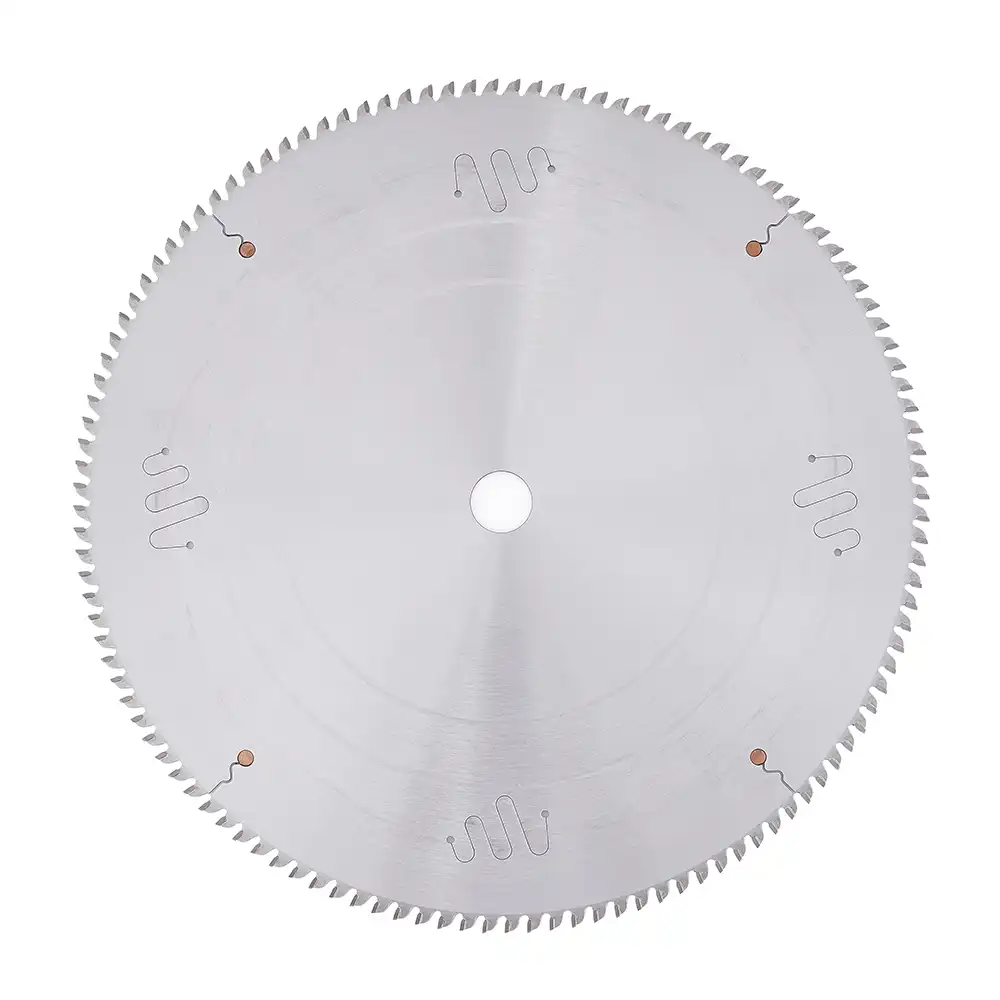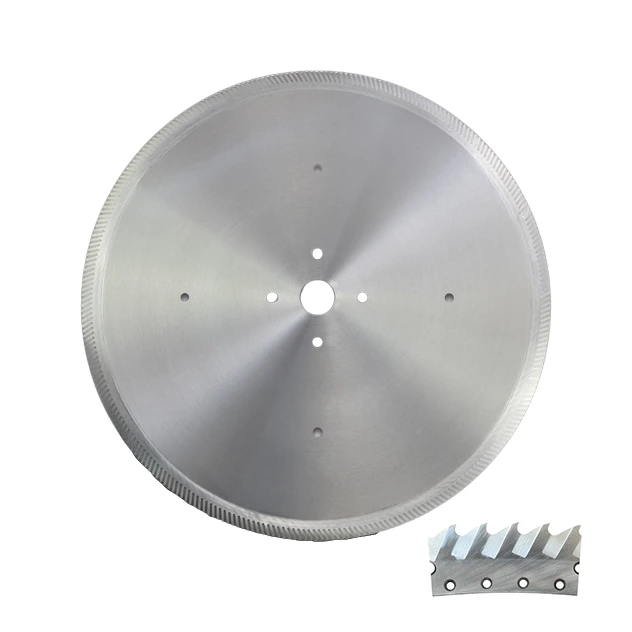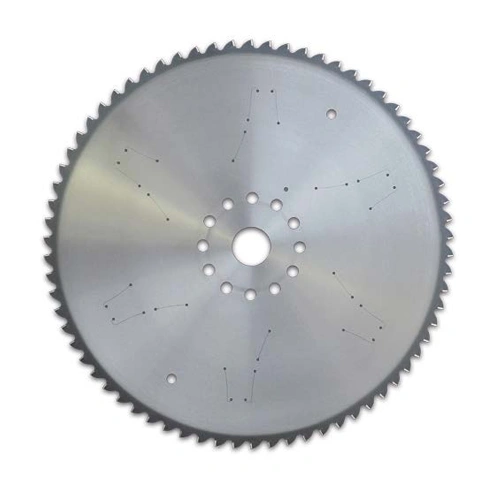
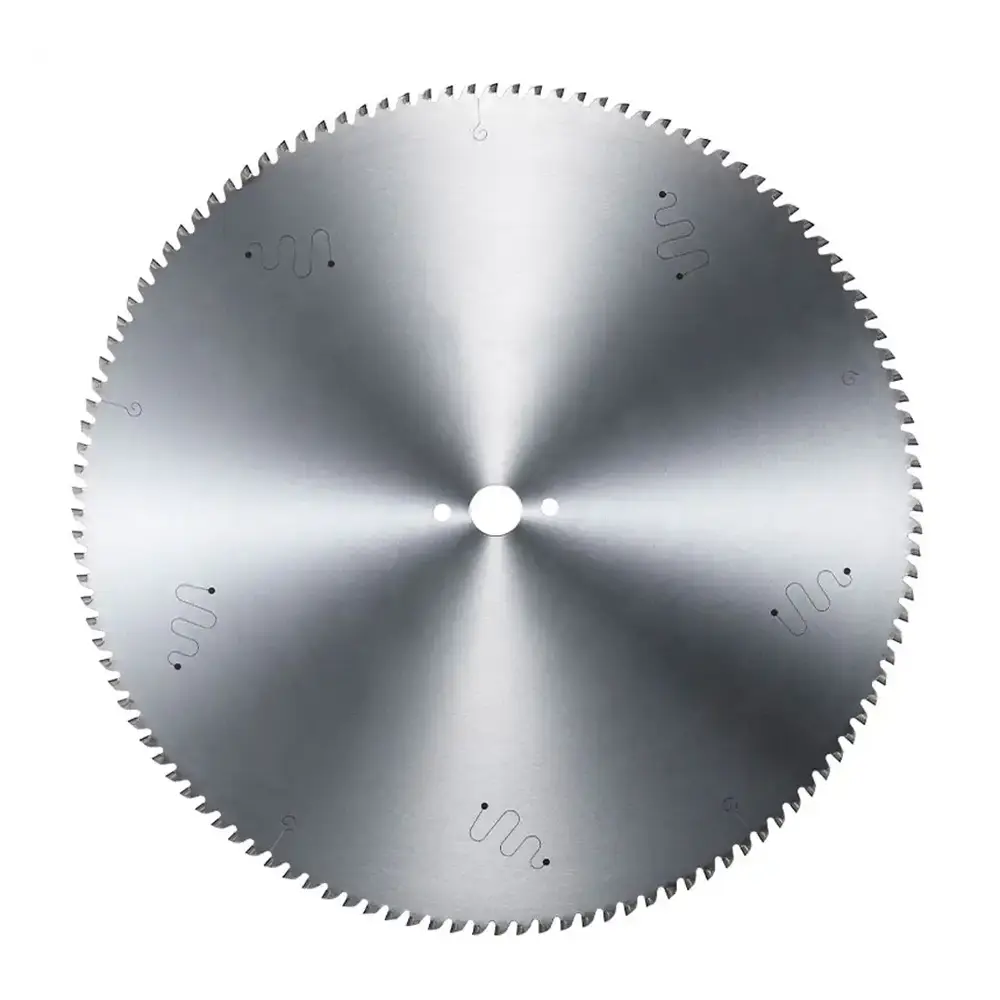
Typical Applications
- High-volume sawing of aluminum and copper-alloy profiles, tubes, bars, rods, sheets, and plates in demanding industrial environments.
- Production lines where long saw blade life, minimum downtime, and consistently stable cut quality are prioritized over the lowest initial blade purchase price.
- Non-ferrous processing applications that require smoother surface finishes, significantly reduced tool changes, and higher overall equipment productivity.
PCD Tip Technology
- PCD stands for Polycrystalline Diamond.
- In this circular saw blade design, the complete tooth material combines Polycrystalline Diamond with a tungsten carbide substrate.
- This construction provides much higher wear resistance than conventional carbide tips in suitable non-ferrous metal applications.
Key Performance Advantages
- Delivers at least 10 times longer lifespan compared to conventional carbide-tipped circular saw blades in suitable applications, thanks to its advanced PCD (Polycrystalline Diamond) tooth technology.
- Dramatically reduces saw blade changes, machine stoppages, and overall tool-related downtime, resulting in substantially higher machine utilization rates.
- The saw body is precision-manufactured from high-quality tool steel, providing excellent rigidity, superior heat dissipation, and outstanding dimensional stability during long production runs.
- PCD teeth offer exceptional wear resistance, low friction, and outstanding thermal stability, maintaining sharp cutting edges far longer than standard carbide.
- Can also be engineered for ultra-thin kerfs, high-precision cutting, and even smoother mirror-like finishes according to customer requirements.
- Diameters are available up to 2500 mm, making it ideal for both standard and large-scale industrial projects.
Problems This Circular Saw Blade Helps Solve
- Frequent saw blade changes and significant lost production time in high-volume non-ferrous cutting operations.
- High overall tooling costs caused by short service life of standard carbide saw blades.
- Unstable or rough cut finishes that require additional downstream milling, deburring, or facing operations.
- Lower overall productivity due to repeated machine stoppages for blade maintenance and replacement.
- Inconsistent cutting performance and unpredictable tool life that disrupts production planning and increases operating expenses.
Application Notes
- PCD circular saw blades are especially suitable for stable, high-volume production where long life can offset the higher initial saw blade cost.
- Keep machine alignment, flange accuracy, and circular saw blade runout under tight control to get full benefit from the PCD cutting edge.
- Match feed rate, RPM, and tooth design to the alloy type and target finish to avoid unnecessary edge damage.
- Resharpen PCD circular saw blades through qualified service procedures so the Polycrystalline Diamond cutting edge is maintained correctly.