Typical Applications
- Multi-rip (gang rip) lines splitting wet softwood boards into multiple target widths in one pass.
- Primary breakdown of fresh sawn timber and resinous softwood in sawmills and remanufacturing plants.
- Continuous high-volume production where stable kerf width, straight cuts, and predictable saw life are essential for maintaining high yield and efficiency.
Key Performance Advantages
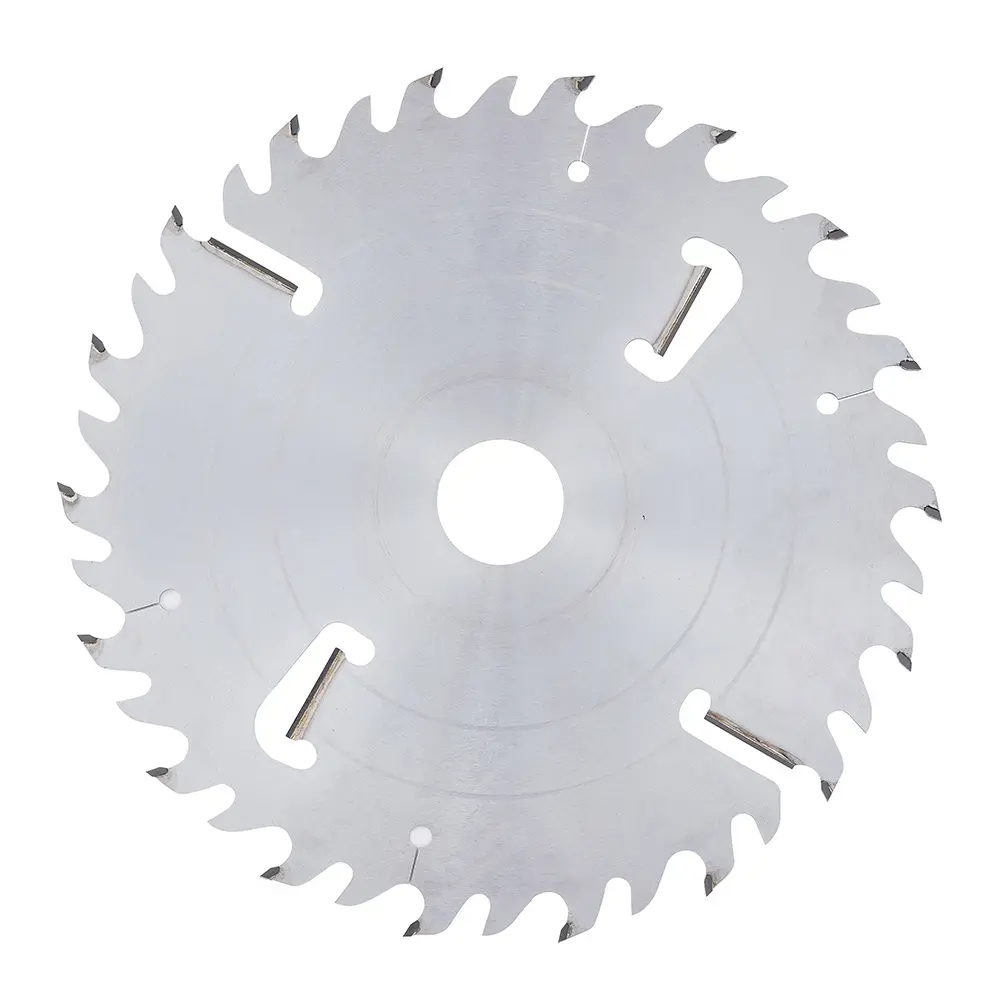
- Tooth geometry is specifically tuned for wet and resin-rich wood, enabling stable, high-speed cutting at elevated feed rates without sacrificing cut quality.
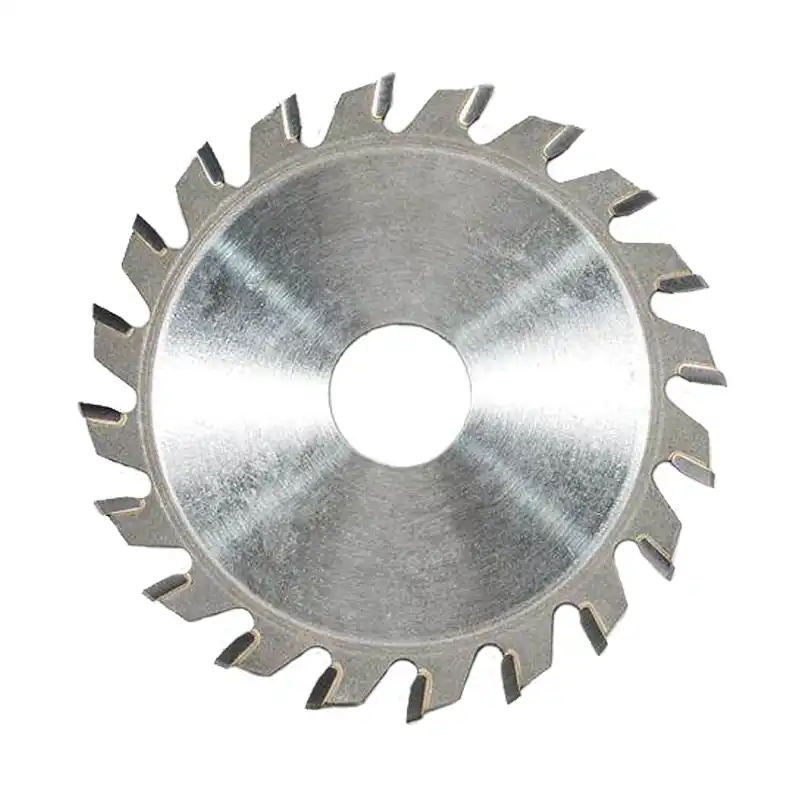
- Teeth are manufactured from premium ultra-fine grain carbide, offering excellent wear resistance, sharp cutting edges, and strong performance against abrasive and resinous softwoods.
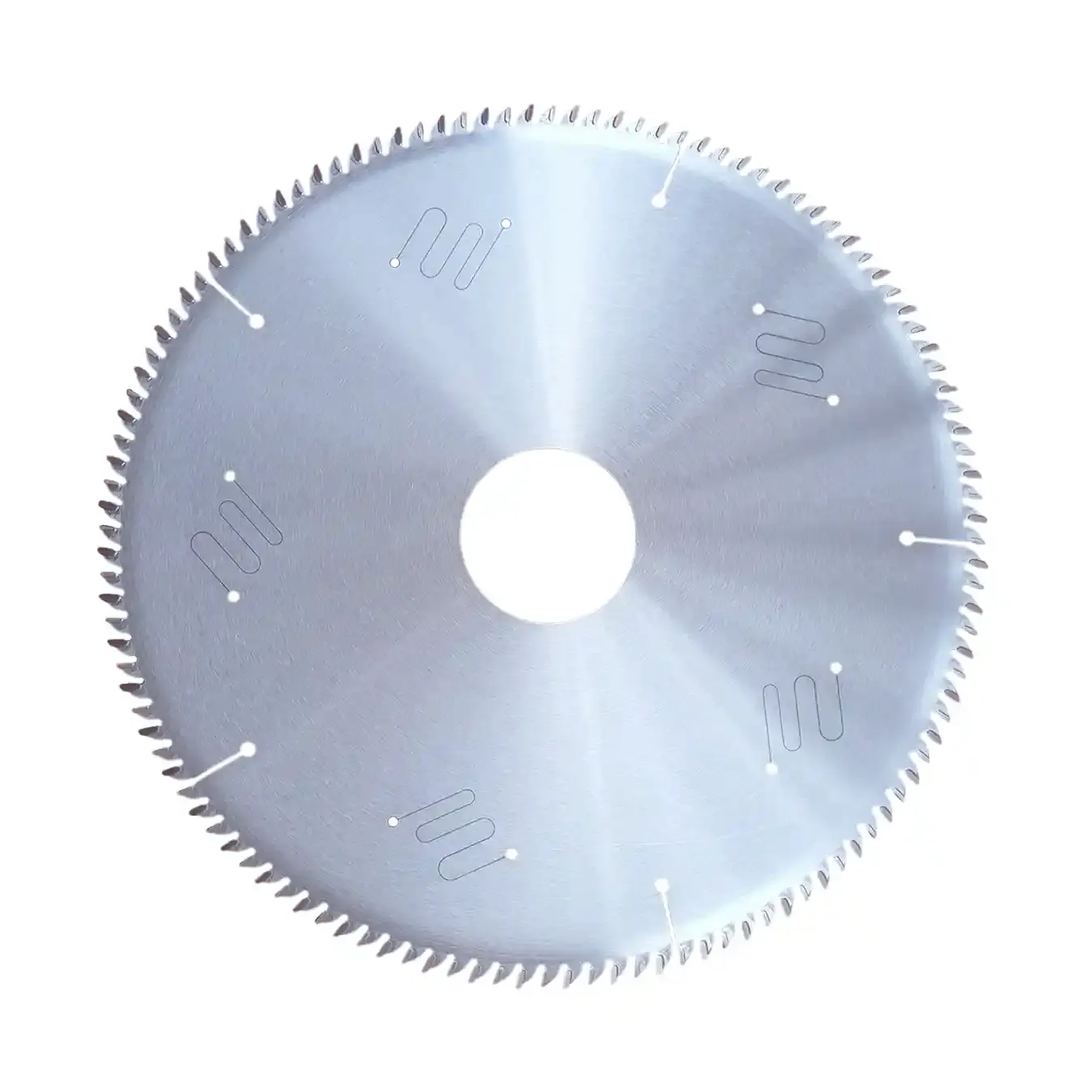
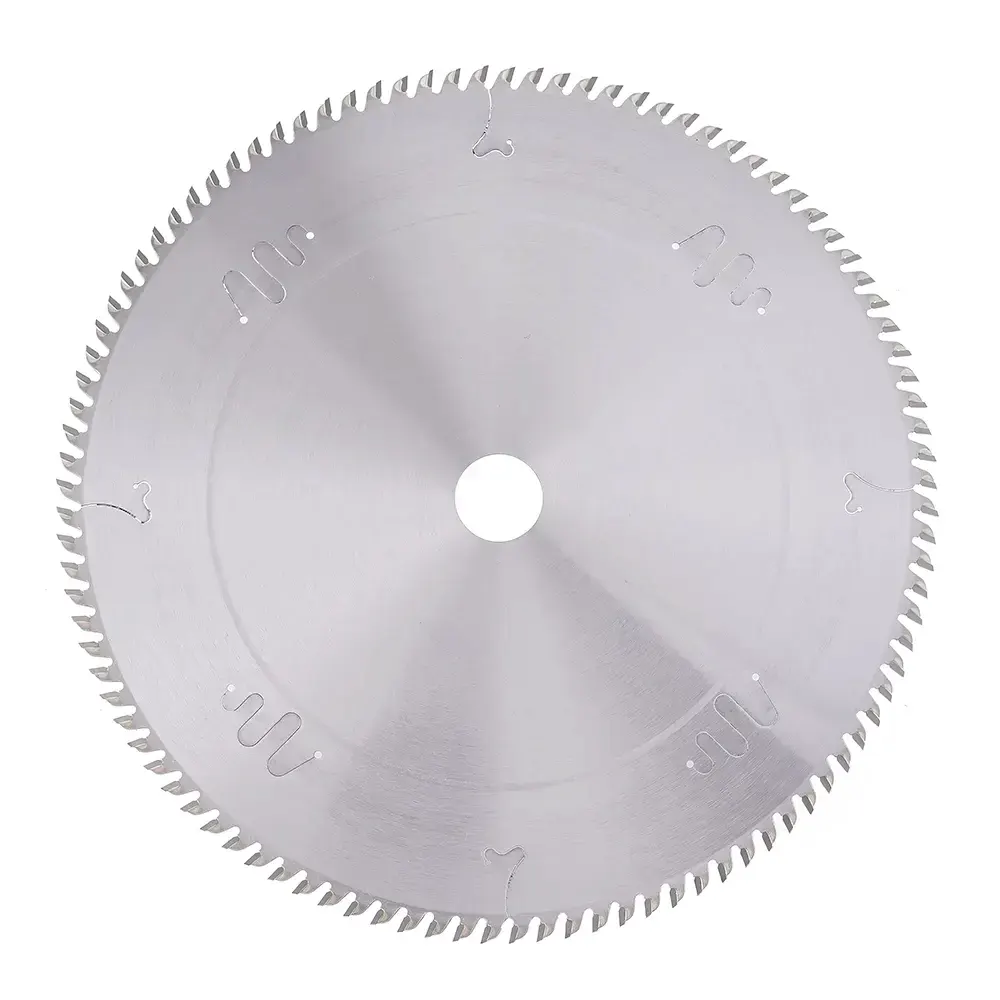
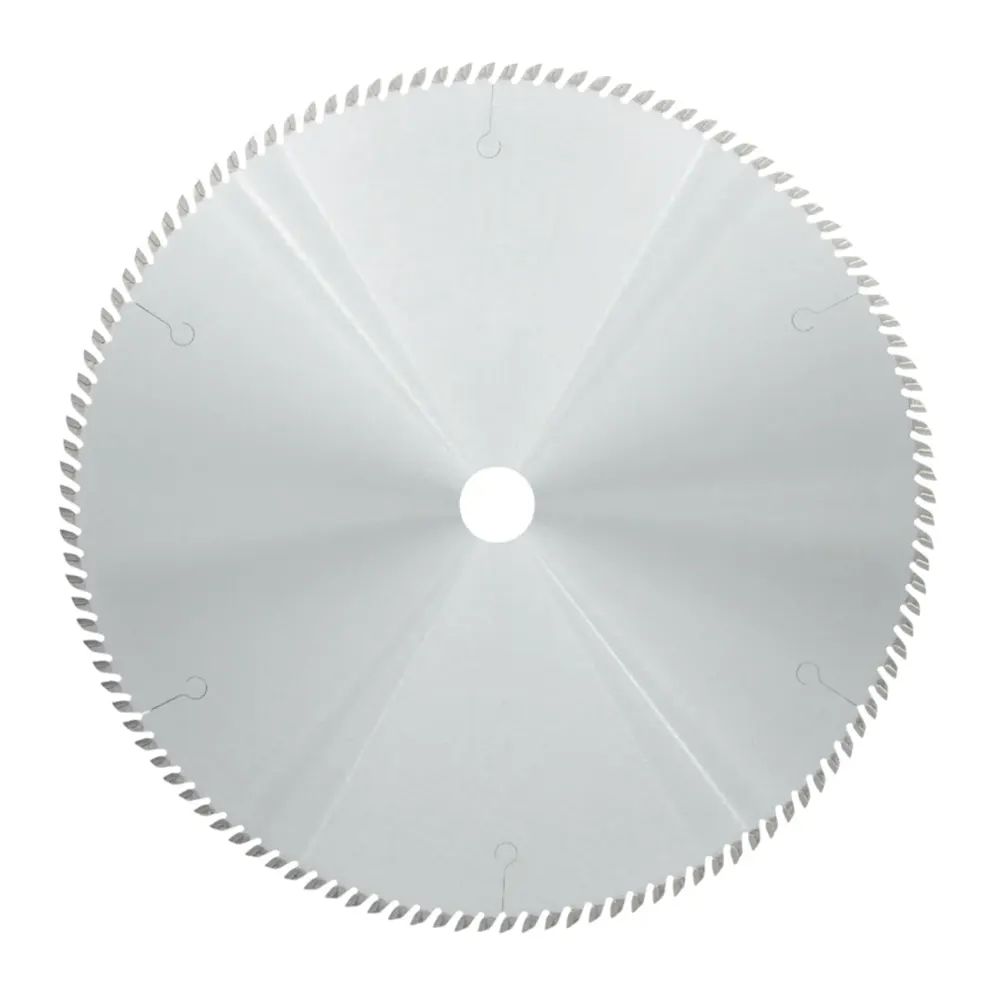
- The saw body is precision-engineered from high-quality tool steel, providing superior rigidity, optimal plate tension, and resistance to distortion under demanding multi-blade conditions.
- Optimized kerf, body thickness, and tensioning technology help maintain straight, parallel cuts across multiple saw blades running on the same arbor.
- Strong chip evacuation design effectively reduces tooth loading and heat buildup, even when processing green wood with high moisture content.
- Configurable body design with expansion slots and damping options further improves running stability and extends service life in continuous operation.
Problems This Circular Saw Blade Helps Solve
- Cut width drift and inconsistent kerf between saw blades in multi-rip gang setups, which leads to material waste and poor dimensional accuracy.
- Fast edge buildup, resin accumulation, and unstable cutting when processing wet or high-resin softwood.
- Premature wear, tooth breakage, and short resharpening intervals under heavy, continuous production loads.
- Lower overall yield caused by poor cutting stability, excessive stock removal, and frequent line adjustments or stoppages.
Application Notes
- Keep all saw blades on the same arbor precisely matched for diameter, kerf, and side clearance before each production run to ensure uniform performance.
- Set appropriate feed speed and spindle speed according to wood moisture level, resin content, and species to prevent overheating and resin buildup.
- Ensure effective chip extraction and perform regular cleaning to prevent resin accumulation around tooth gullets and body slots.
- Regrind the saw blades before heavy edge rounding occurs to maintain tight width tolerance, reduce machine load, and preserve cutting efficiency.
- Regularly inspect and maintain arbor alignment and saw blade tension for optimal multi-rip performance and longest possible tool life.