Typical Applications
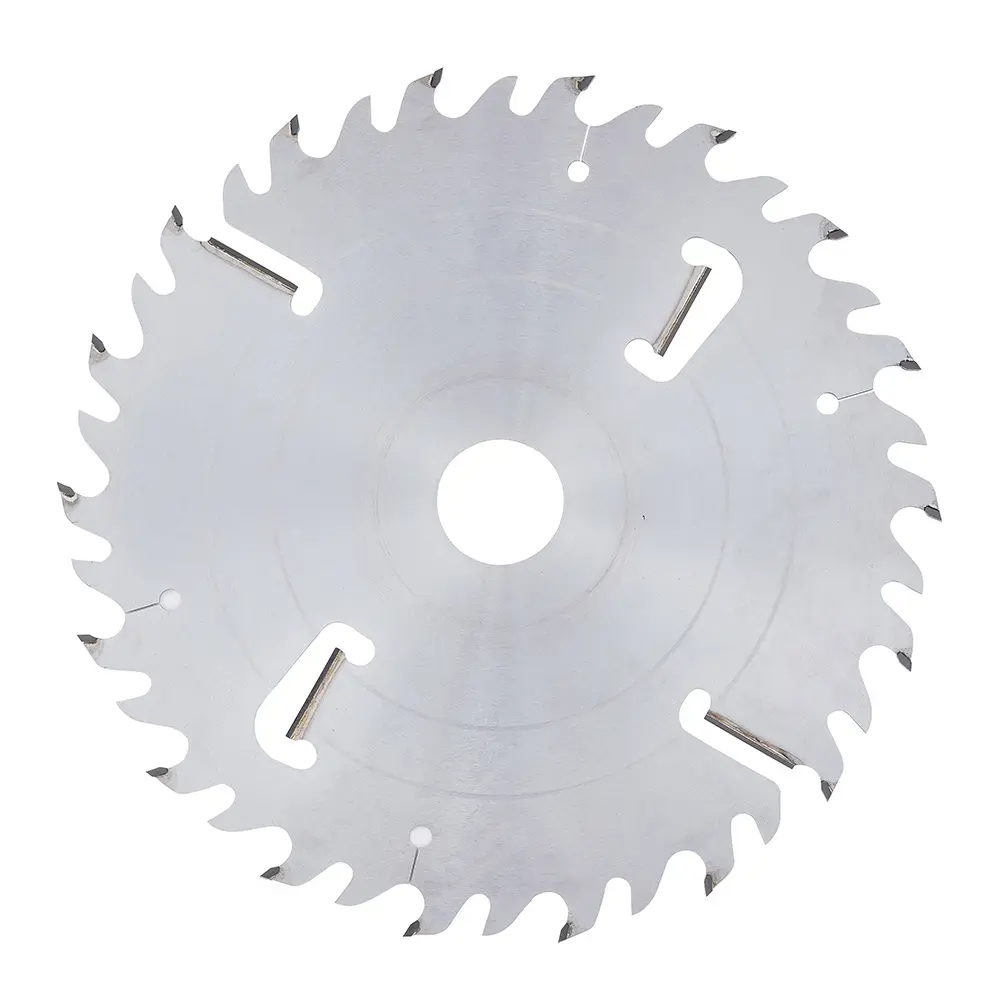
- Crosscutting solid wood lumber to length on sliding table saws, radial arm saws, and squaring saws in furniture manufacturing, joinery workshops, and timber processing.
- Ripping solid wood boards along the grain on table saws and squaring saws in furniture component and flooring production.
- General-purpose solid wood processing across softwood species (pine, spruce, fir) and hardwood species (oak, beech, ash, teak, and similar) where a clean cut surface is required.
- Available up to 2500 mm diameter for large timber frame and construction lumber applications.
Key Performance Advantages
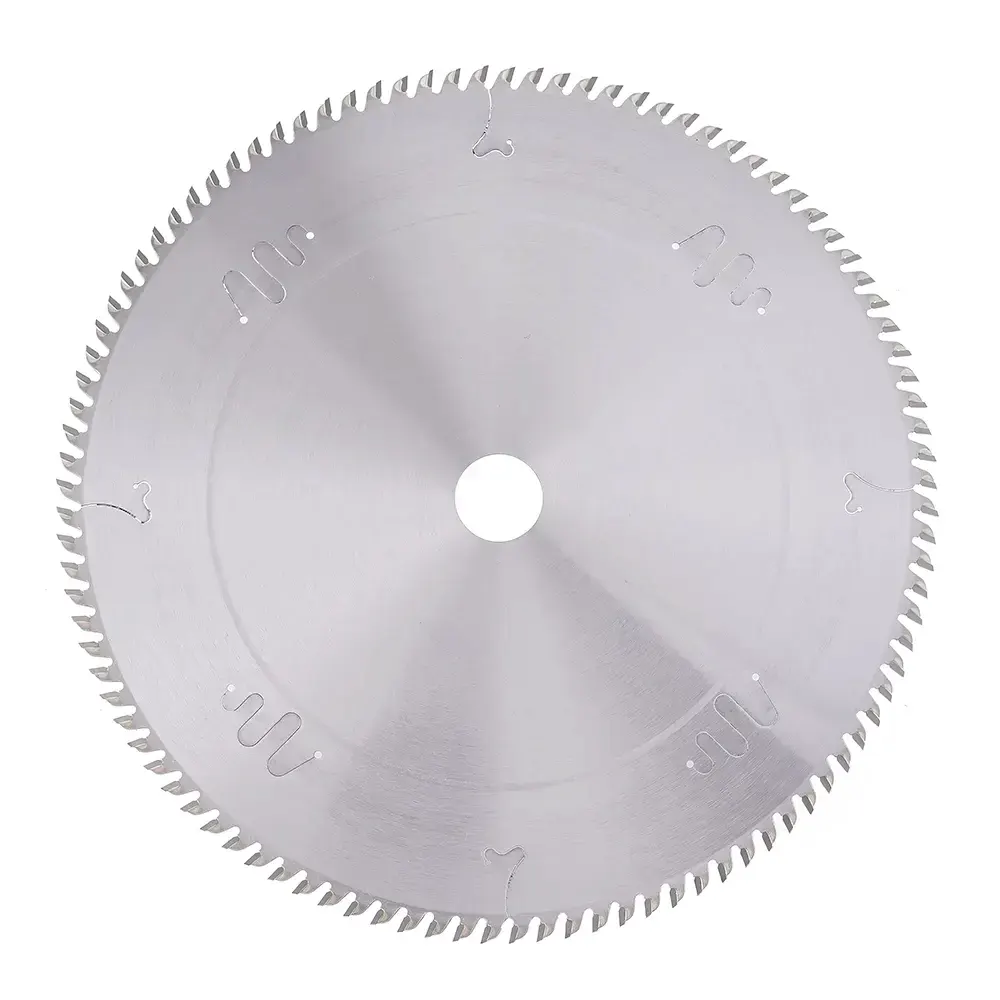
- ATB (Alternate Top Bevel) tooth geometry produces clean, splinter-free cut faces on both crosscuts and rip cuts across a wide range of solid wood species.
- Precision-ground tungsten carbide tips maintain a sharp cutting edge through extended production runs, delivering consistent cut quality and reducing resharpening frequency.
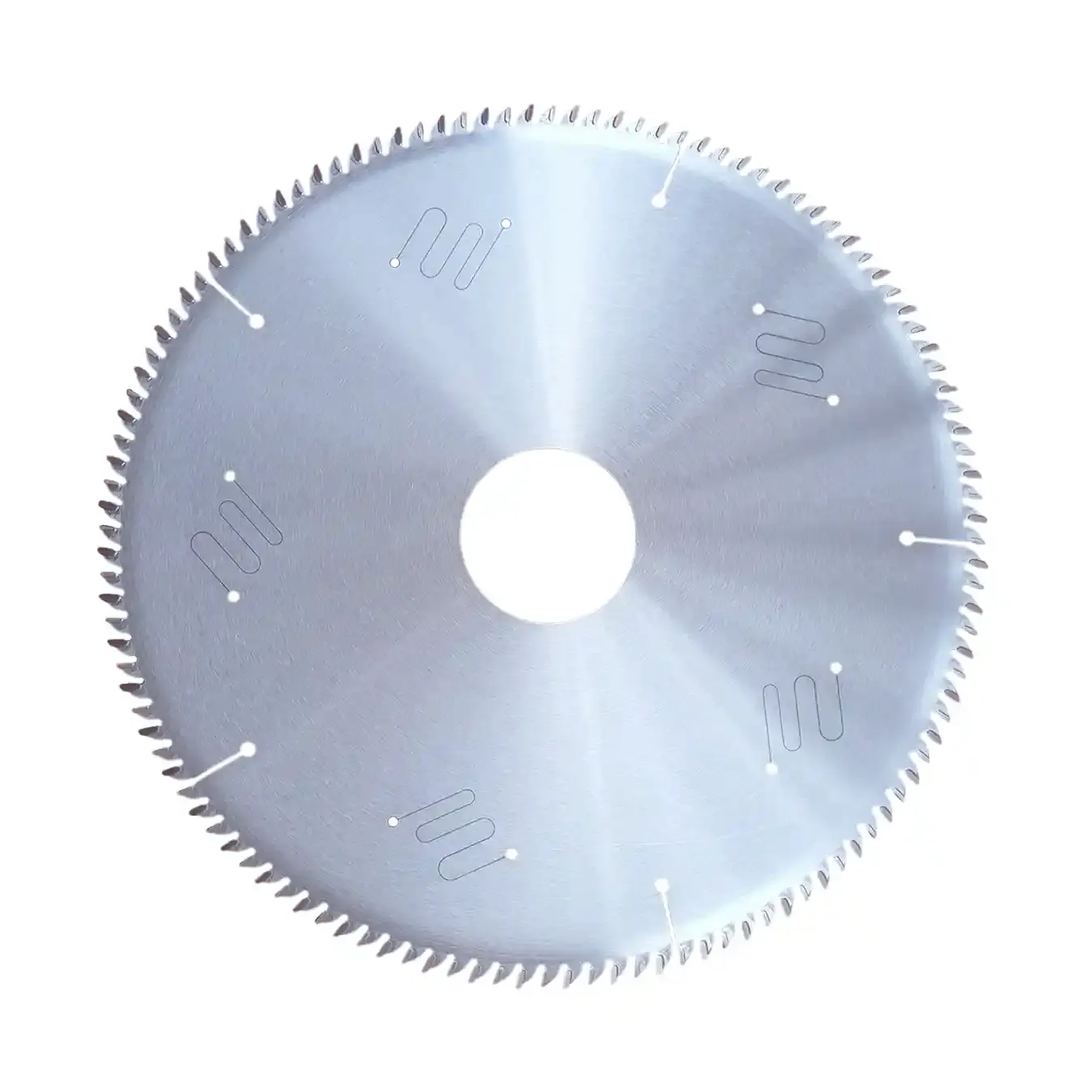
- Anti-vibration expansion slots with optional TPU filler and a precision-tensioned blade body minimize vibration and noise, keeping cuts accurate and stable at full depth.
- Anti-stick surface treatment (polished finish or chrome plating) reduces resin and pitch adhesion on the blade body, extending the time between cleaning cycles.
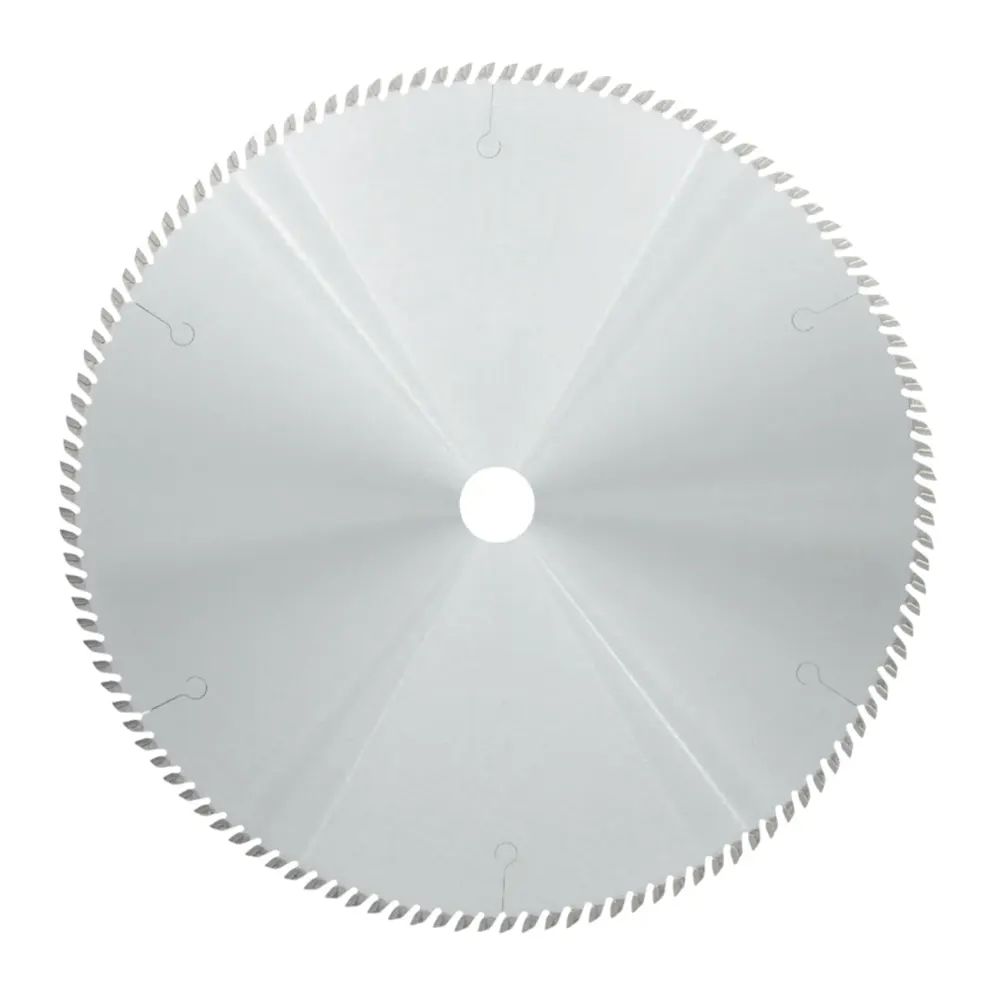
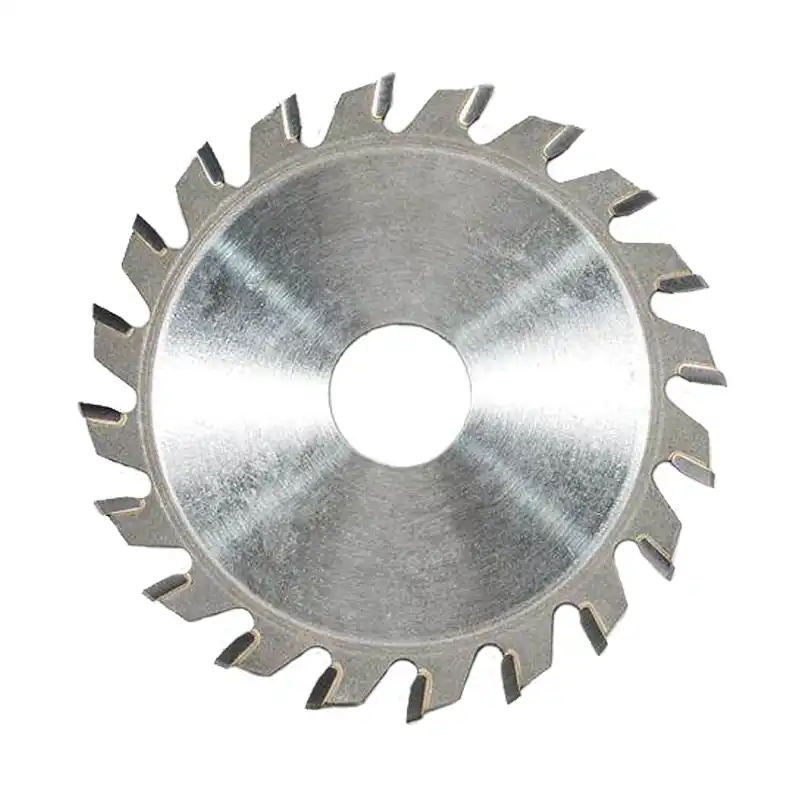
- Wide diameter range from 100 mm to 1000 mm (and up to 2500 mm on request) covers everything from small bench saws to large industrial timber saws with a single product family.
Application Notes
- Select tooth count to match the operation: lower tooth counts (40–60T) for ripping where chip clearance is critical; higher tooth counts (80–120T) for crosscutting where cut surface quality is the priority.
- Clean pitch and resin deposits from the circular saw blade regularly using a resin-dissolving solvent to maintain cutting efficiency and prevent imbalance from uneven buildup.
- Ensure the workpiece is properly supported and fed at a steady, consistent rate — interrupted or stalled cuts accelerate tip wear and increase the risk of kickback.
- Resharpen the circular saw blade before it becomes noticeably dull; a worn edge burns the wood surface, increases feed force, and shortens tip life between resharpening cycles.