Estimate your material savings: See how a thinner kerf increases workpiece yield with our Short-Stock Material Yield Calculator.
Typical Applications
- High-yield multi-rip (gang rip) lines for dry softwood and hardwood.
- Solid wood strip production where every fraction of kerf loss directly affects profit.
- Operations that prioritize maximum board recovery with stable, repeatable cutting.
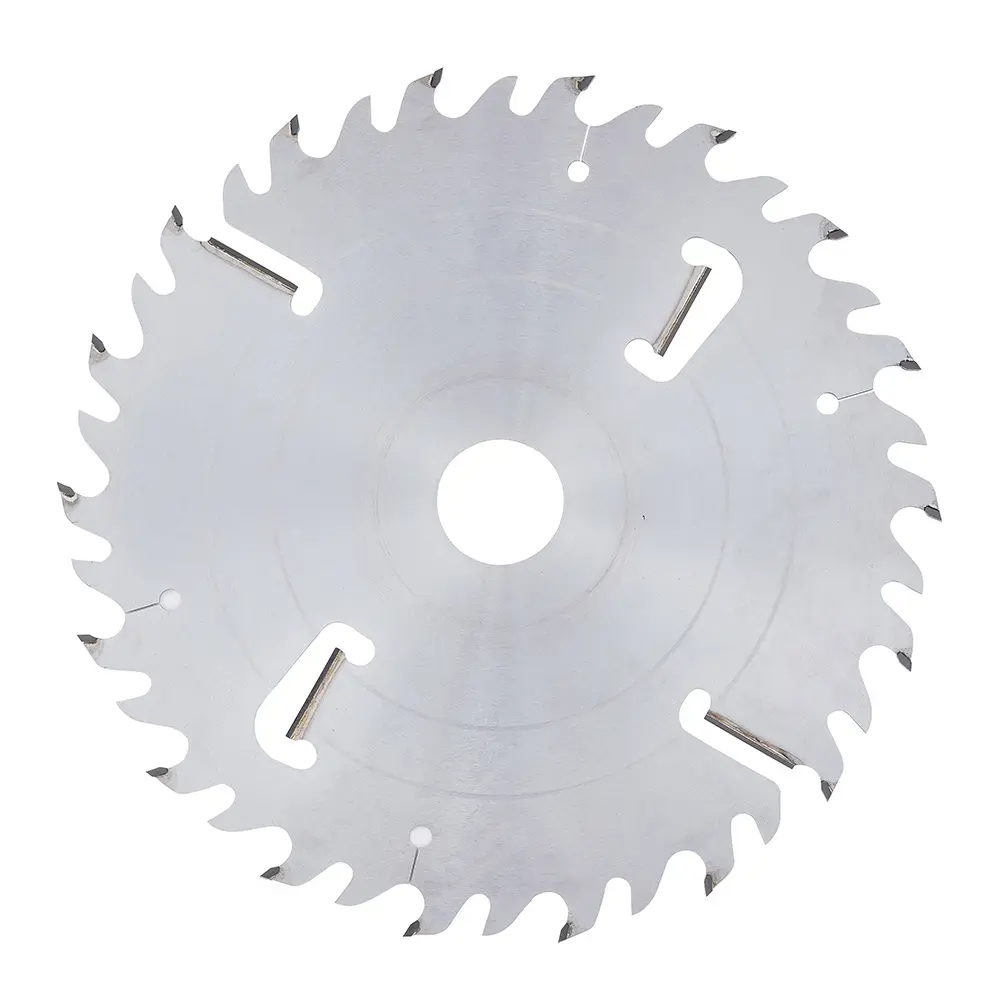
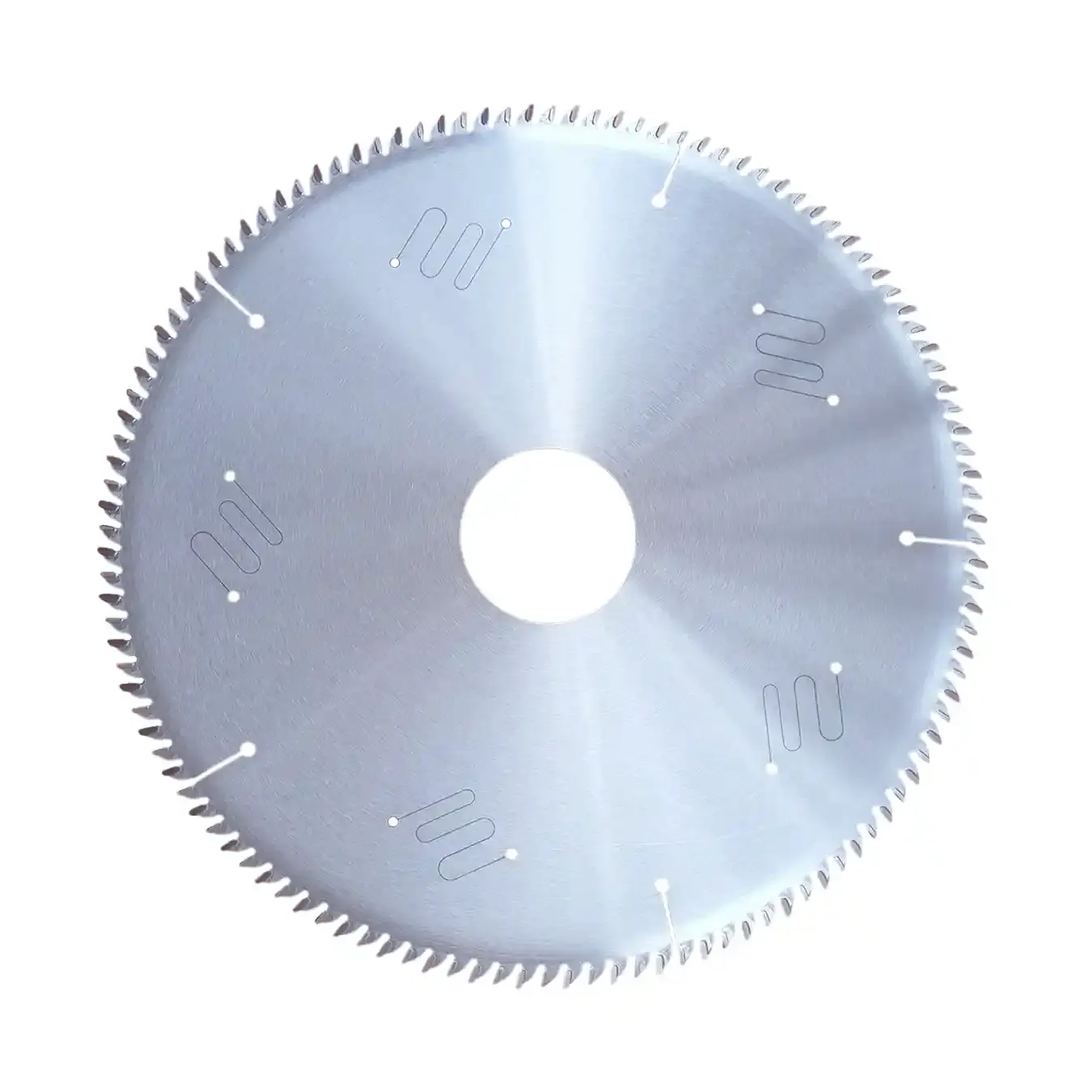
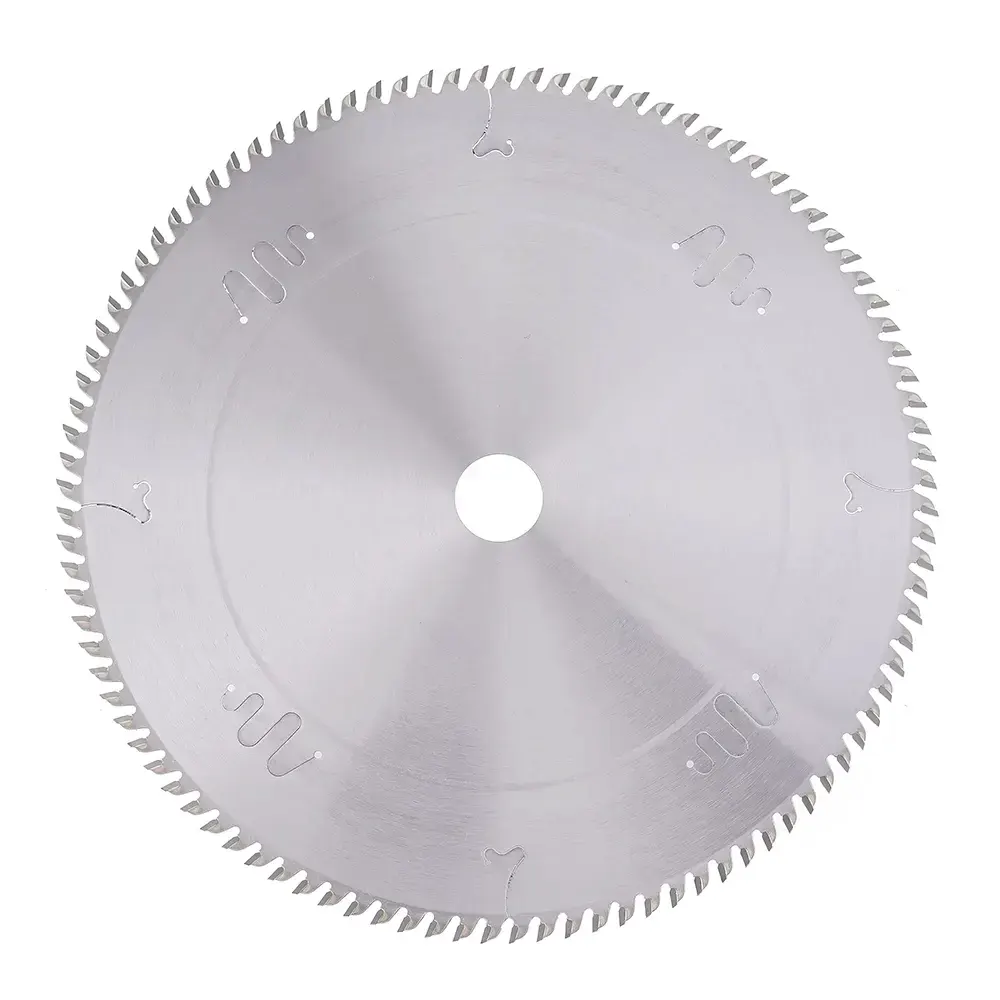
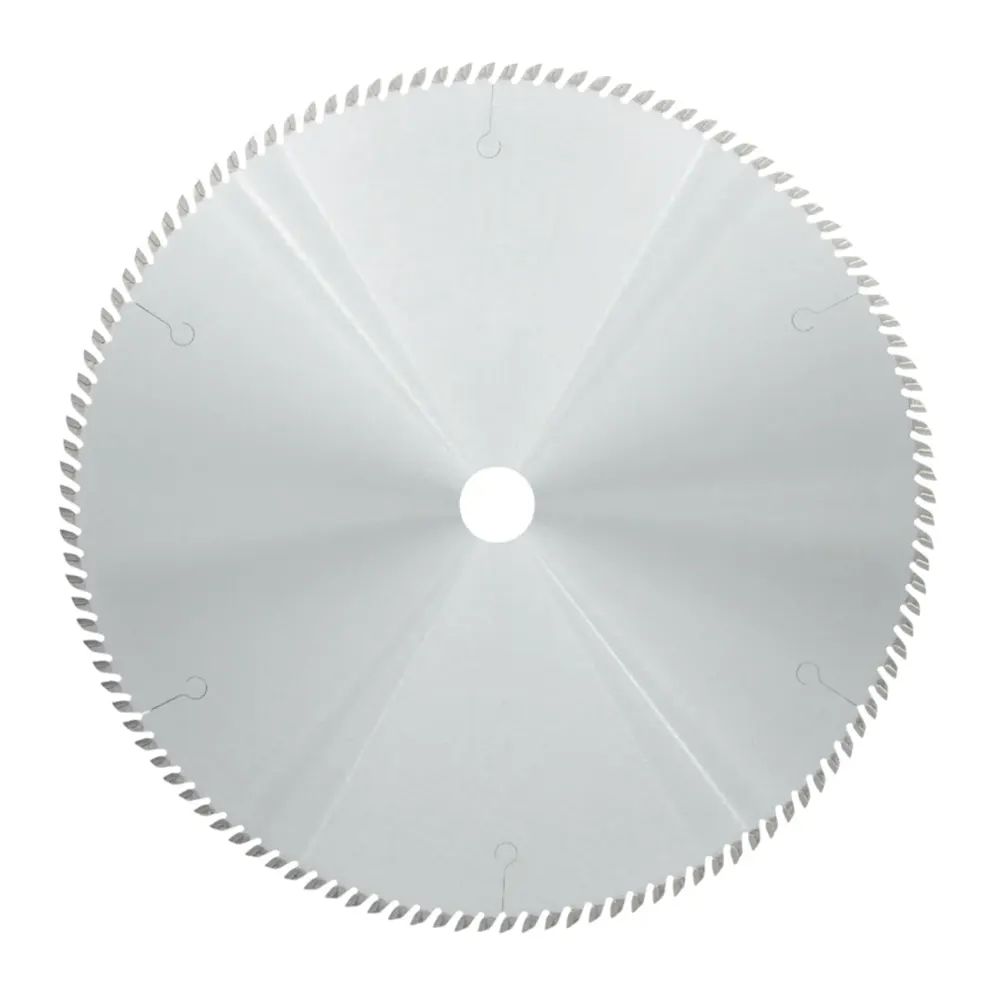
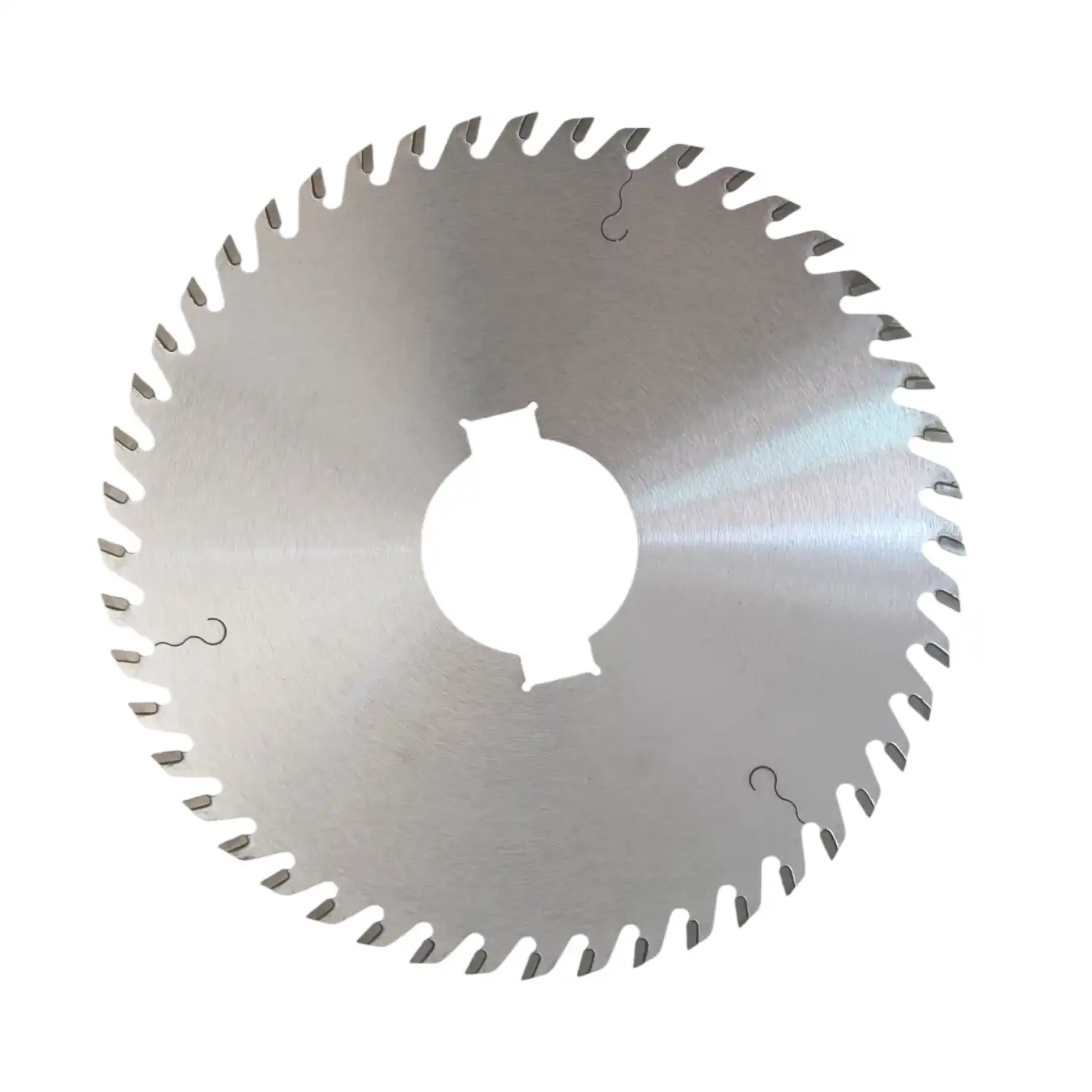
- This saw blade is specially designed for high-recovery gang rip applications on dry lumber with controlled moisture content, commonly used in modern sawmills and remanufacturing facilities focused on optimizing material utilization.
Key Performance Advantages
- Ultra-thin kerf significantly reduces sawdust loss and delivers higher yield from the same timber input compared to standard multi-rip saw blades.
- Lower cutting resistance helps reduce machine load and energy consumption while maintaining high feed rates.
- Optimized plate stiffness and tensioning support straight, stable cuts even in multi-blade arbor setups.
- Teeth are made from premium ultra-fine grain carbide, providing sharp edges, good wear resistance, and clean cutting performance on dry wood.
- The saw body is precision-manufactured from high-quality tool steel, ensuring excellent rigidity and minimal vibration at thin kerf widths.
- Best suited for users who focus on material savings as the primary value, without the use of rakers for a cleaner, lower-resistance cutting geometry.
Problems This Circular Saw Blade Helps Solve
- Excessive raw material loss from standard-kerf saw blades that turn valuable timber into unnecessary sawdust.
- Lower output value caused by reduced board recovery and lower yield per log or board.
- Unnecessary power draw and higher energy costs from heavier cutting loads in conventional gang rip setups.
- Margin pressure when timber prices are high, as even small improvements in recovery can significantly impact profitability.
- Inconsistent cut stability and frequent adjustments caused by excessive kerf width in yield-critical operations.
Application Notes
- Keep all saw blades on the arbor precisely matched for diameter, kerf, and side clearance to ensure uniform performance across the gang rip set.
- Confirm machine rigidity, spindle accuracy, and arbor alignment before running ultra-thin kerf setups.
- This saw blade performs best on dry wood with moisture content controlled below 10%. Proper moisture management is essential for optimal stability and cut quality.
- Set feed and speed carefully to maintain stable cutting under low-kerf conditions without rakers.
- Regrind on time to preserve yield, width consistency, and cutting accuracy. Regular tension inspection is recommended to maintain performance over multiple sharpenings.