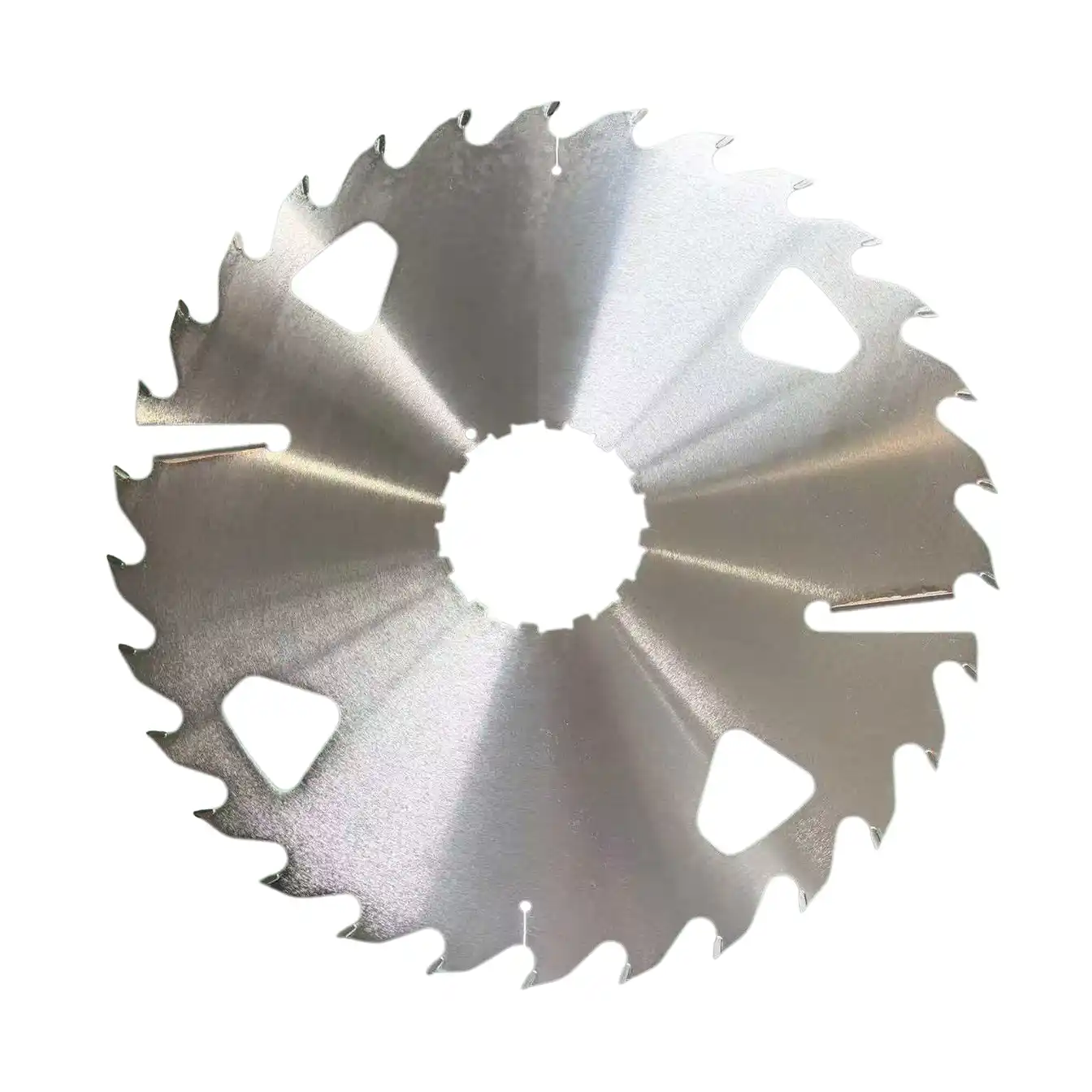
Typical Applications
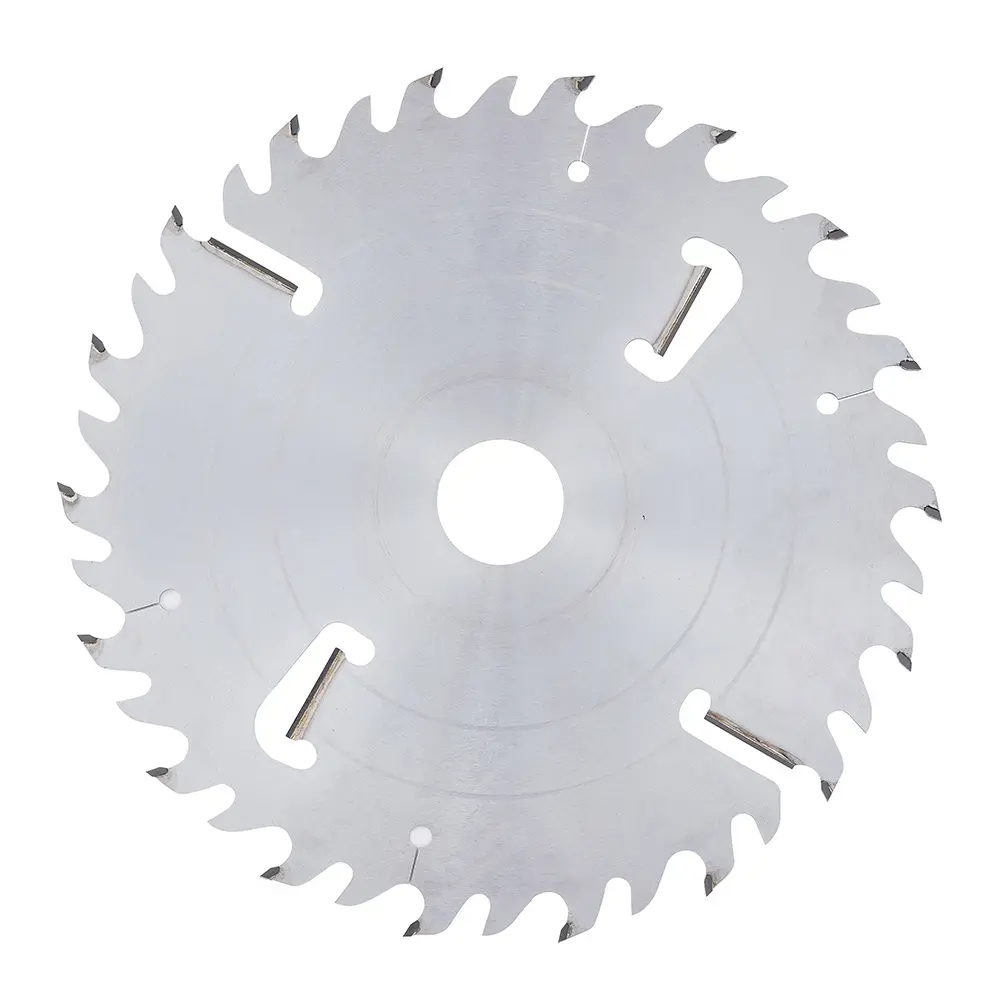
- Guided edger lines and multi-rip lines in sawmill primary and re-cut processing.
- Wet and green timber ripping where stable blade guidance is required throughout long shifts.
- Automated longitudinal ripping lines where spline arbor coupling is specified by the machine design.
Key Performance Advantages
- Spline bore mounting provides multi-contact engagement for stable torque transfer and precise concentric running.
- Better rotational alignment helps reduce side drift risk in guided cutting positions.
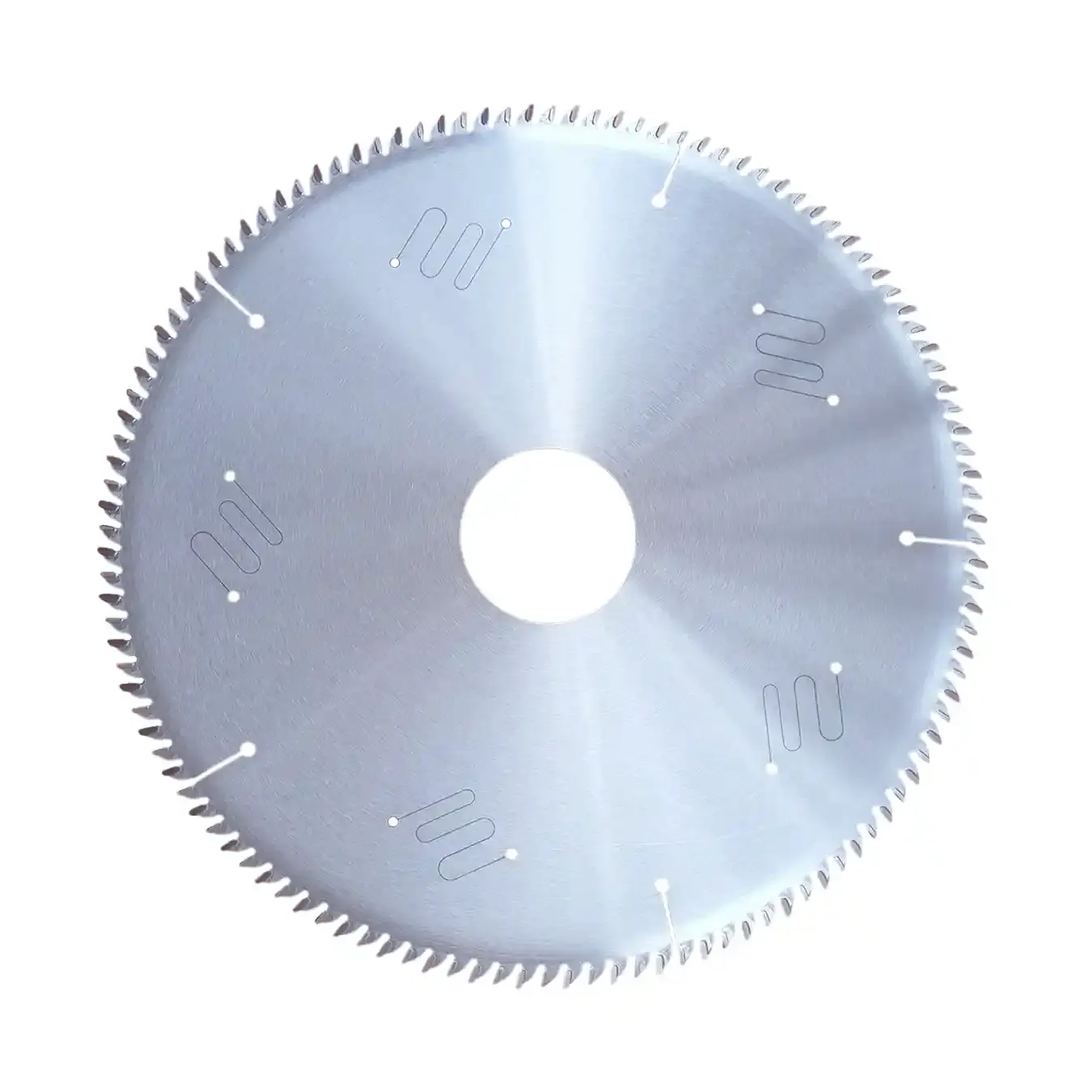
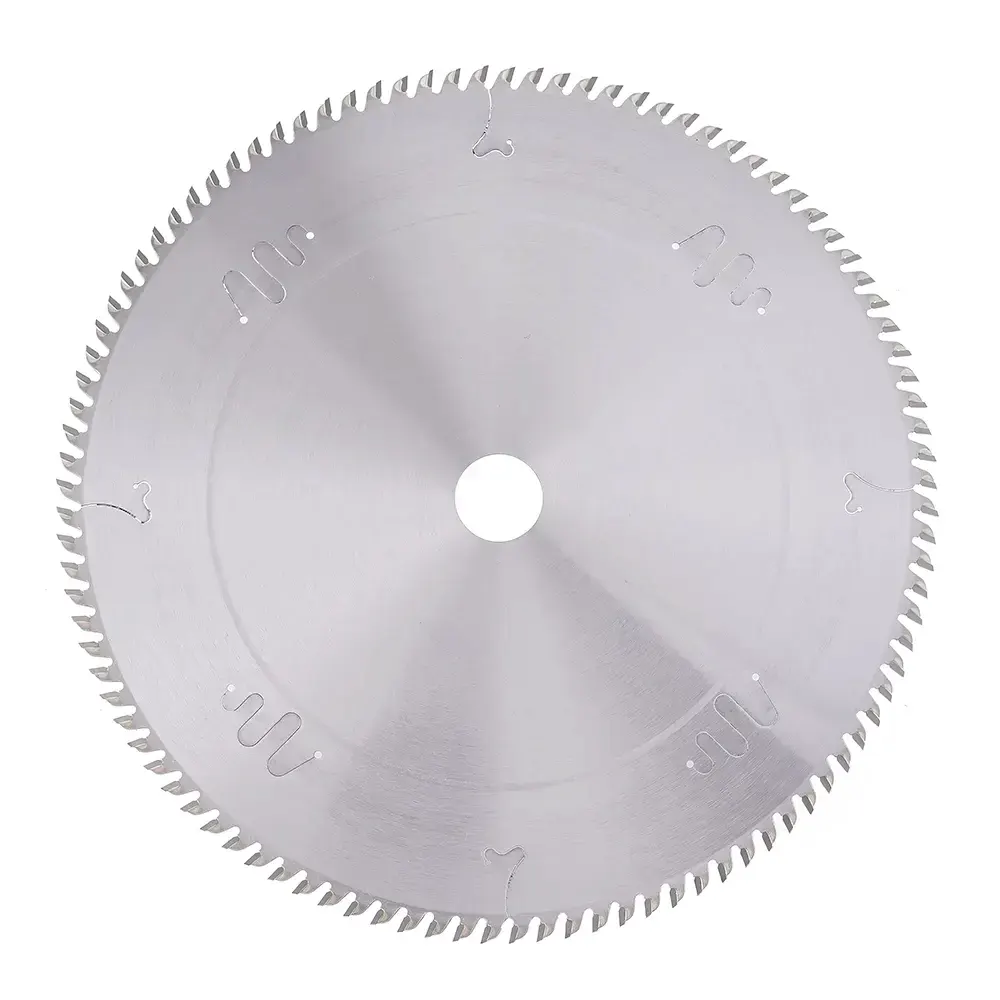
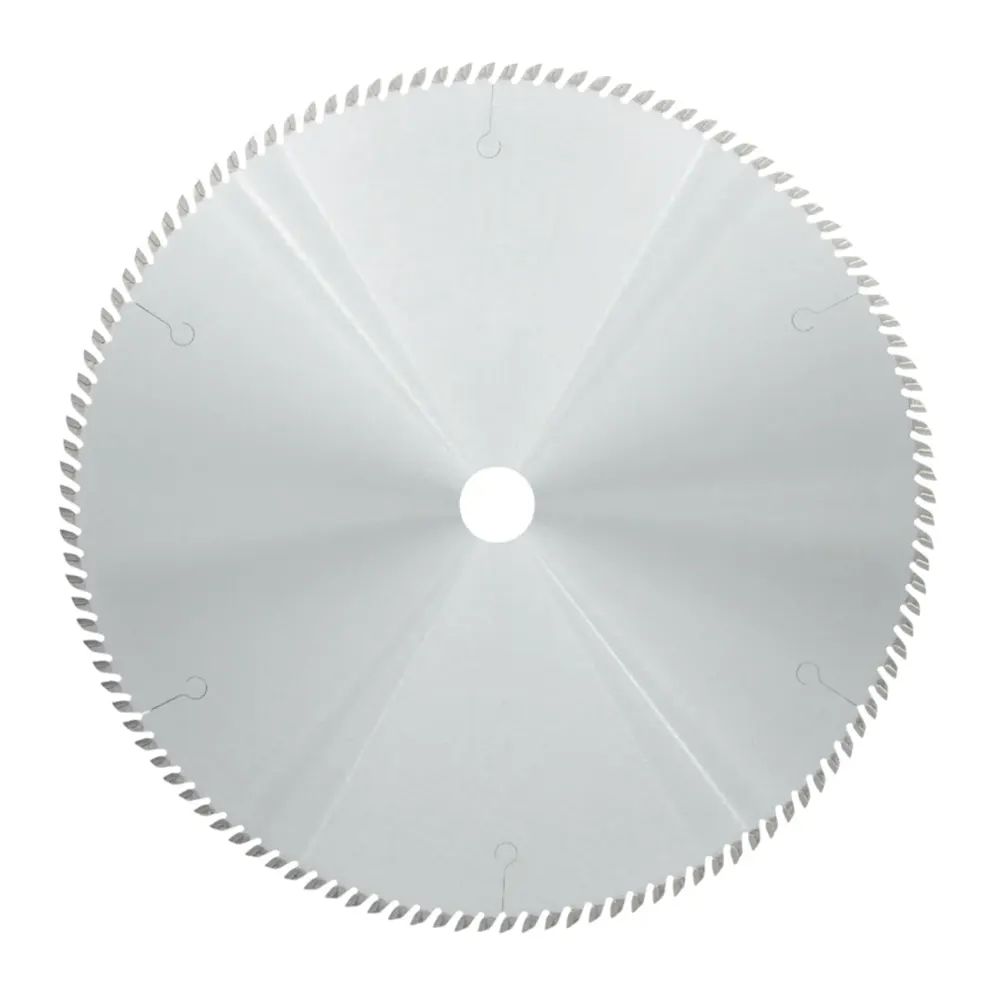
- Carbide-tipped FTG tooth design supports reliable ripping of wet and dry timber in continuous sawmill duty.
- Industrial-grade steel body and carbide tips maintain edge stability under high-feed production conditions.
- Compatible with the SW7 series process flow while serving specialized guide positions on the line.
Problems This Saw Blade Helps Solve
- Runout and alignment instability that can occur when a standard round-bore blade is used on spline-driven positions.
- Torque transmission inconsistency on high-load guided cuts.
- Cut drift and side-mark defects caused by poor mounting concentricity.
- Frequent interruptions from unstable guided blade performance in continuous sawmill operation.
Application Notes
- Confirm spline profile compatibility (form and size) with the machine arbor before ordering.
- Keep spline contact faces clean and free of burrs during blade changes to maintain concentric fit.
- Match diameter, kerf width, and side clearance with adjacent blades in the guided arbor set.
- Maintain chip extraction capacity to prevent chip packing, particularly on wet softwood at high feed rates.
- Regrind on schedule to preserve tooth symmetry and stable tracking in guided positions.