· Cutek Team · Buying Guides · 4 min read
HSS Circular Saw Blade Coatings: The Strategic Color-Coded Sourcing Guide
A procurement-focused guide to the most common HSS circular saw blade coatings—their composition, signature color, hardness and heat limits, and which materials each one is built to cut.
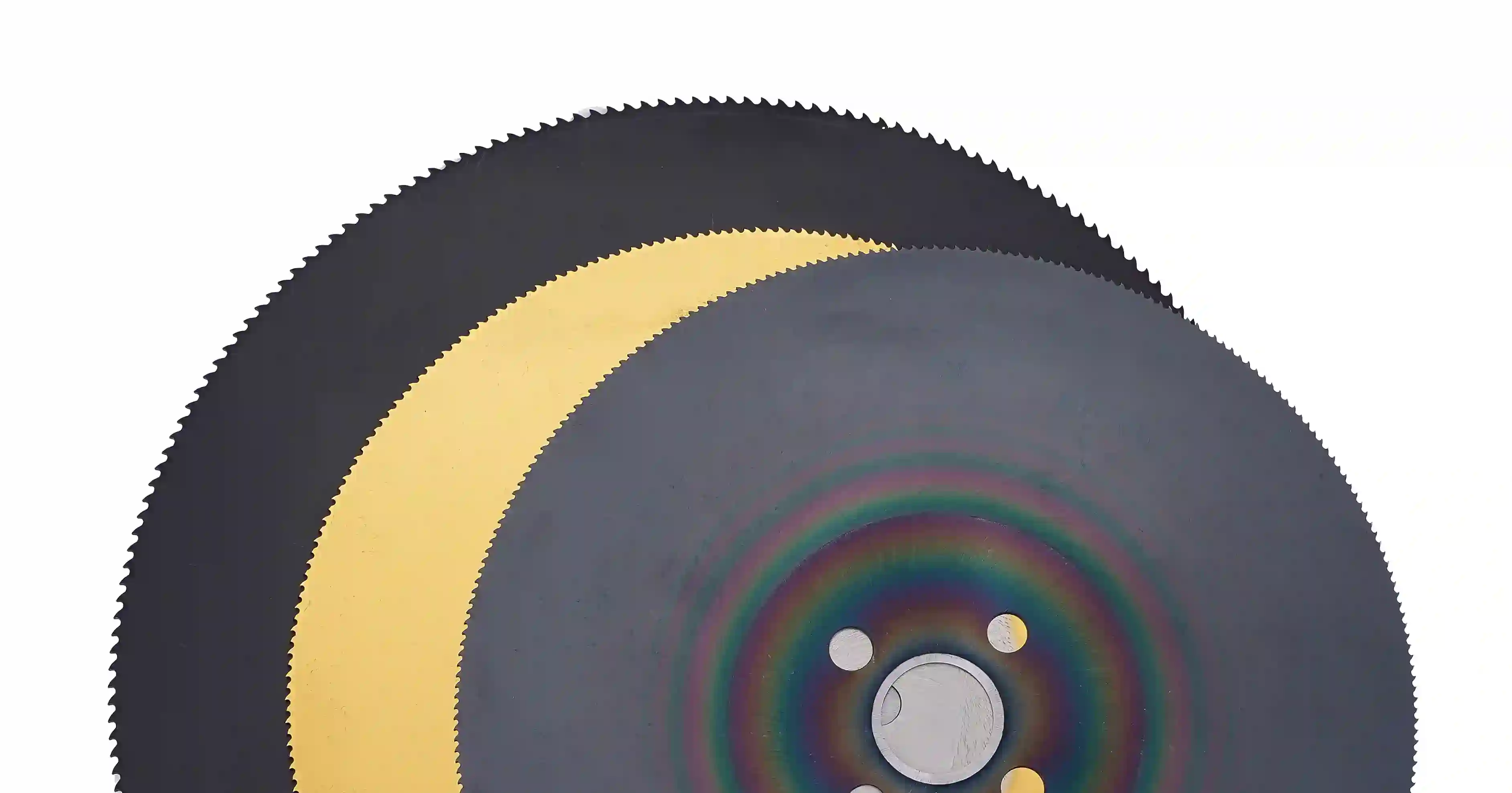
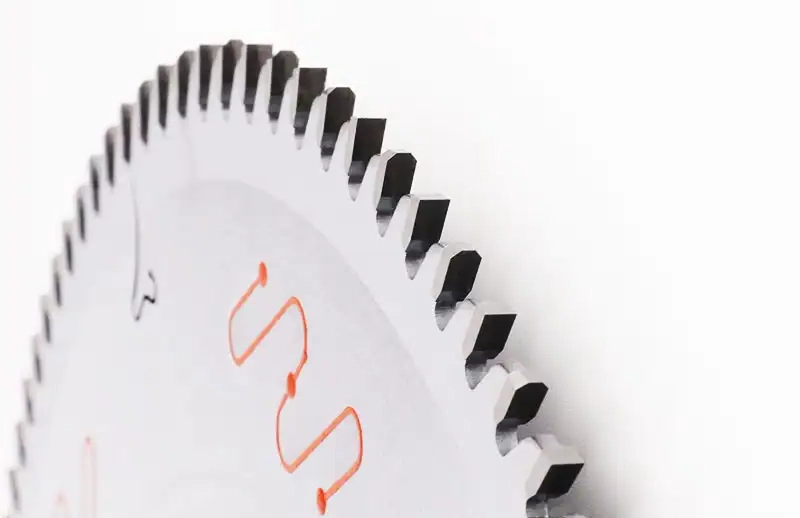
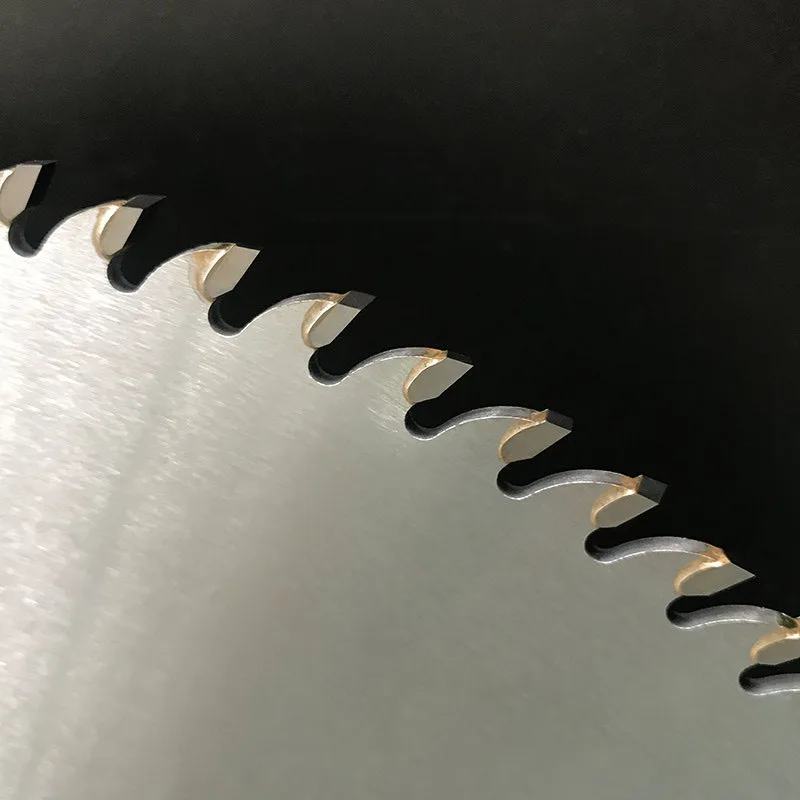
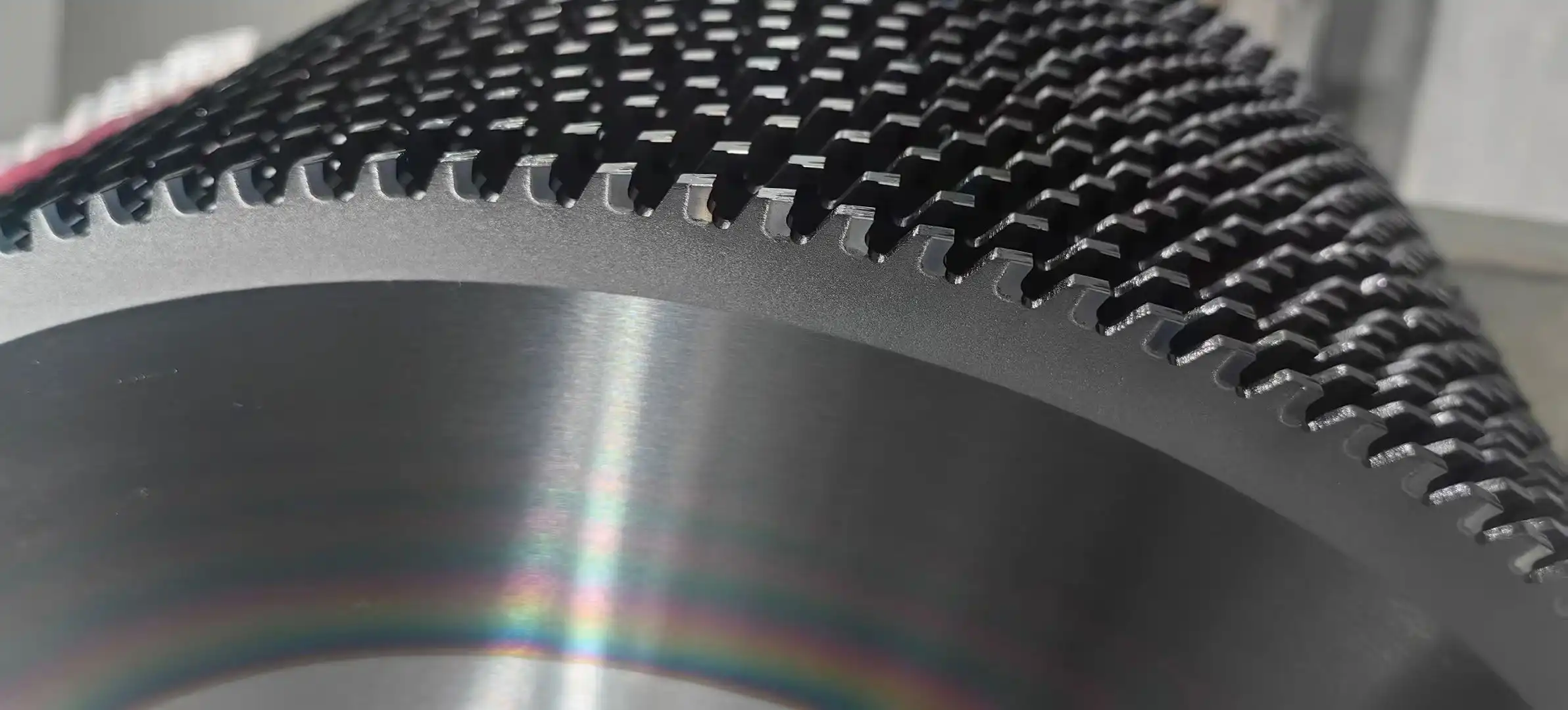
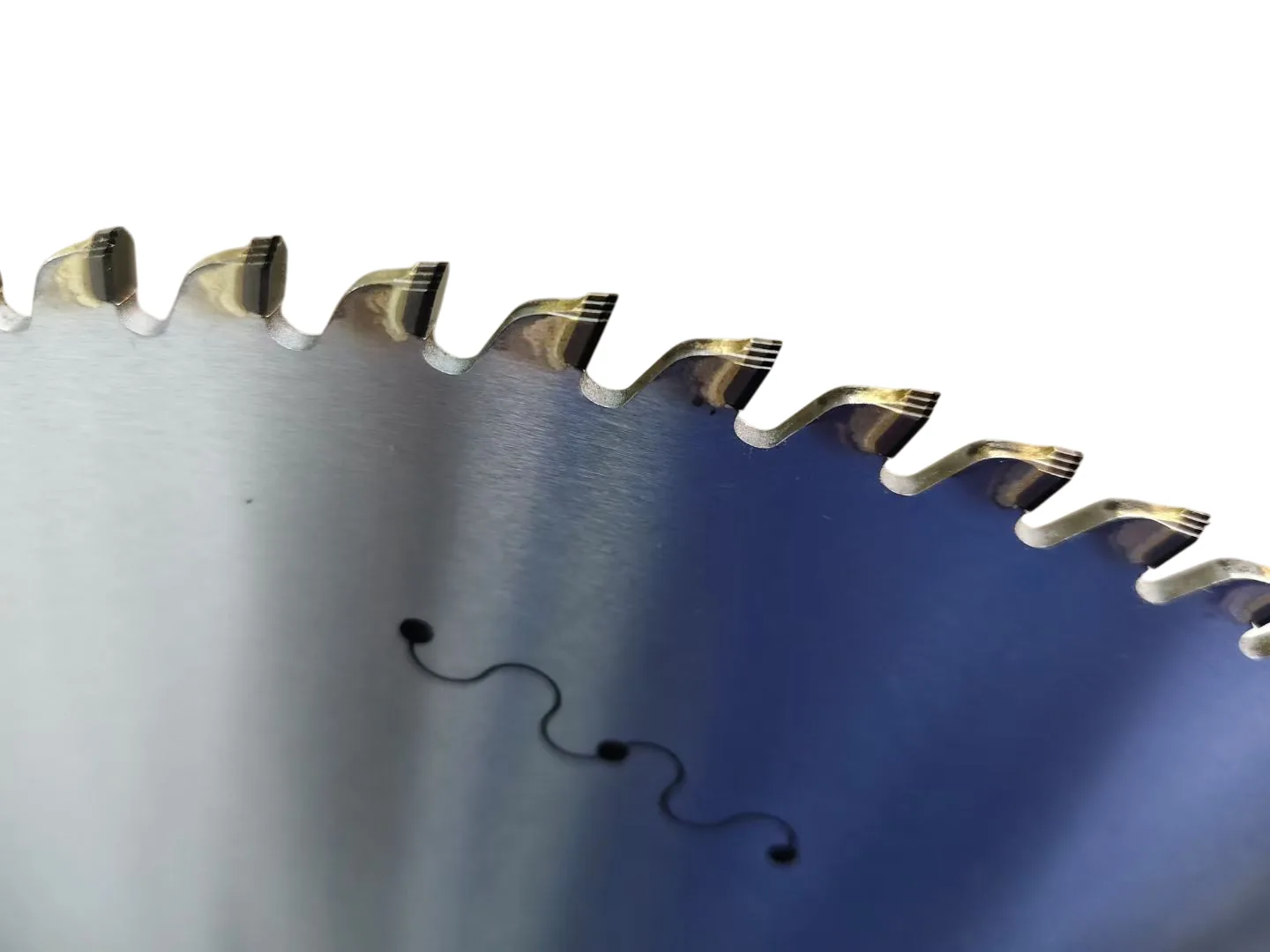
When browsing a tooling catalog, the most striking difference between HSS circular saw blades isn’t the tooth geometry—it’s the brilliant colors.
For an industrial procurement manager, that gold, violet, or matte black finish is not a decorative choice; it is your most critical technical specification. The color is the signature indicator of the blade’s surface coating, which ultimately dictates how fast the blade can run, how much thermal friction it can survive, and which specific materials it can cut cleanly.
This guide breaks down the industry-standard color-to-coating map so you can stop guessing and start sourcing the exact HSS circular saw blade for your production line.
Why We Coat HSS Circular Saw Blades
High-Speed Steel (HSS) possesses excellent toughness, but the cutting edge inevitably softens when extreme friction drives the temperature past its threshold.
A Physical Vapor Deposition (PVD) coating—typically only 1 to 4 microns thick—solves this. It adds a ceramic layer with surface hardness several times higher than the steel beneath it, lowers the coefficient of friction, and forms a vital thermal barrier. The result? Less built-up edge (BUE), higher allowable RPMs, and drastically longer life between regrinds. The color you see is simply the natural visual property of that specific chemical compound.
The Coating Spectrum: What Each Color Means
1. Uncoated / Bright Finish (Silver-Grey Steel)
Plain, precision-ground high-speed steel with no coating. It represents your lowest initial cost. Uncoated blades are easy to resharpen and perfectly adequate for short-run, low-volume cutting of mild steel and non-ferrous metals, provided you use good flood coolant. It is the baseline that everything else improves upon.
2. Steam Tempered / Black Oxide (Matte Blue-Black)
This is not a PVD coating, but a controlled oxidation process that grows a thin iron-oxide (Fe₃O₄) layer on the surface. Because it is microporous, it traps cutting oil and heavily reduces chip welding (the tendency of soft steel to stick to the teeth). While it adds almost no surface hardness, a steam-tempered HSS circular saw blade is a highly cost-effective, workshop standard for general carbon-steel tube cutting where heat is moderate.
3. TiN - Titanium Nitride (Bright Gold)
The classic, most recognizable industrial coating. TiN is a versatile ceramic boasting a surface hardness around 2,300 HV and a thermal limit of roughly 600°C. It noticeably extends tool life over bare HSS when processing carbon steel, alloy steel, and general fabrication materials. When in doubt, TiN is the safe, reliable default.
4. TiCN - Titanium Carbonitride (Blue-Grey / Bronze)
Add carbon to TiN and you get TiCN. It is significantly harder (around 3,000 HV) with a much lower coefficient of friction, making it exceptionally wear-resistant against abrasive alloys, cast materials, and stainless steel.
- Procurement Warning: Its heat limit is low (about 400°C). Therefore, a TiCN HSS circular saw blade must never be run dry. It strictly requires high-volume flood coolant to prevent the coating from burning off.
5. TiAlN / AlTiN - Titanium Aluminum Nitride (Dark Violet-Grey to Black)
The undisputed high-heat champion. With hardness hitting 3,000–3,500 HV, its true superpower is thermal resistance. As the surface heats up, the aluminum forms a stable aluminum-oxide skin that protects the cutting edge up to 900°C. This makes TiAlN the mandatory choice for high-speed dry cutting, stainless steel, and hardened alloys. (Note: Because of chemical affinity, it should not be used to cut aluminum workpieces).
6. CrN - Chromium Nitride (Metallic Silver-Grey)
While slightly softer than titanium coatings (around 1,750 HV), CrN offers unmatched anti-galling properties and excellent corrosion resistance. It prevents soft, “sticky” metals from welding to the blade, making a CrN HSS circular saw blade ideal for cutting copper, brass, and standard aluminum profiles.
7. ZrN - Zirconium Nitride (Pale Silvery-Gold)
ZrN is highly hard (around 2,800 HV) and shares CrN’s low chemical affinity for non-ferrous alloys. It repels adhesion and maintains a microscopically clean cutting edge. This is the premium choice for high-speed, burr-free cutting of structural aluminum and automotive non-ferrous components.
Quick-Reference Procurement Table
| Coating | Color | Hardness (HV) | Max temp | Ideal Application |
|---|---|---|---|---|
| Uncoated | Silver-grey | ~850 | 500 °C | Mild steel, low-volume cuts |
| Steam tempered (Fe₃O₄) | Blue-black | ~900 | 550 °C | Carbon steel tubes (Traps oil) |
| TiN | Bright Gold | ~2,300 | 600 °C | General purpose, medium steels |
| TiCN | Blue-grey | ~3,000 | 400 °C | Abrasive alloys (Requires Flood Coolant) |
| TiAlN / AlTiN | Dark Violet/Black | ~3,400 | 900 °C | Dry cutting, stainless, high-heat |
| CrN | Metallic Silver | ~1,750 | 700 °C | Copper, brass, sticky metals |
| ZrN | Pale Gold | ~2,800 | 600 °C | High-speed aluminum extrusion |
Hardness and temperature figures are typical industry ranges; exact values vary by coating supplier and deposition process.
Final Sourcing Advice for Buyers
When drafting your purchase orders, match the coating to your specific failure mode, not just the marketing brochure. Furthermore, remember that resharpening removes the coating on the ground faces. Unless you utilize a specialized sharpening center that strips and recoats the tool, a freshly reground edge operates as bare HSS.
Tell us your workpiece material, your machinery’s RPM, and whether you run wet or dry, and Cutek will engineer the perfect HSS circular saw blade—matching the right metallurgy, tooth geometry, and PVD color to ensure maximum uptime on your factory floor.