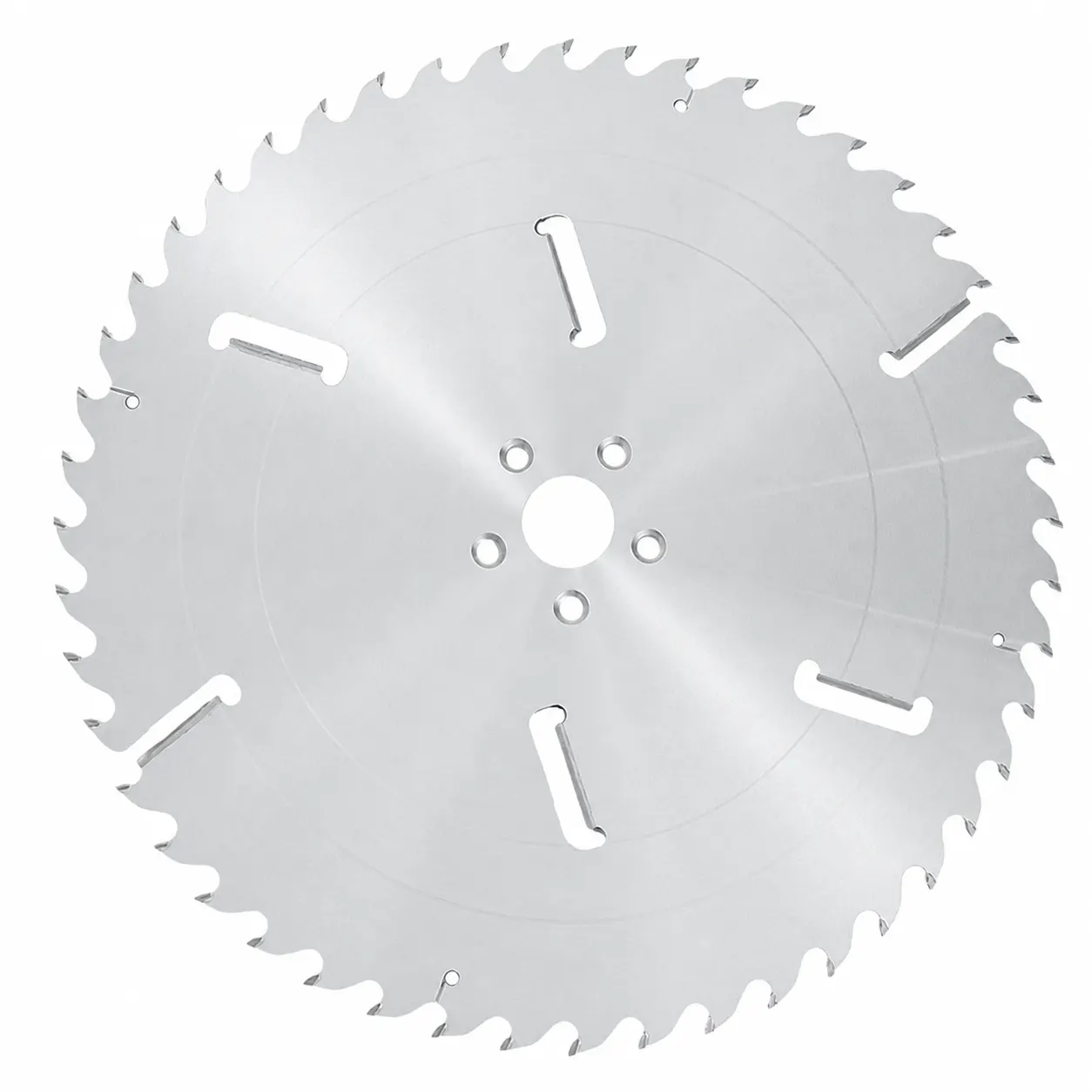
Typical Applications
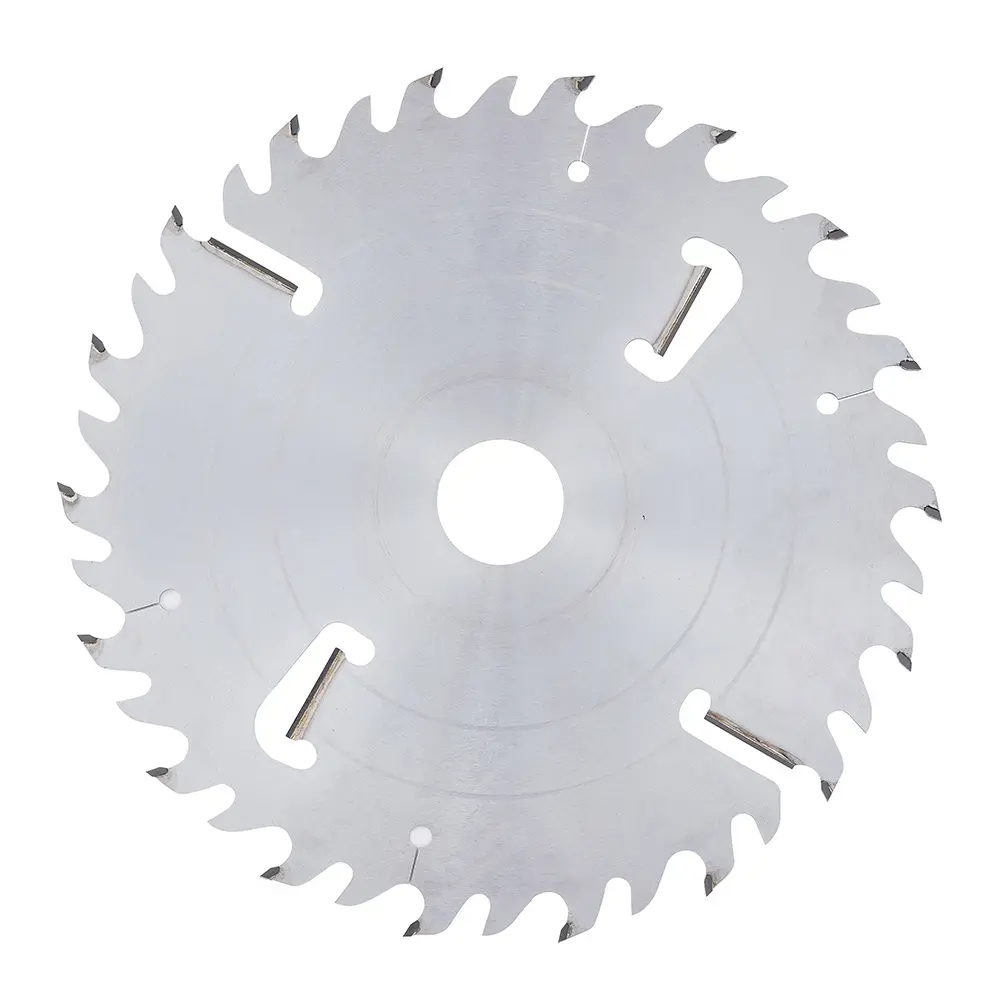
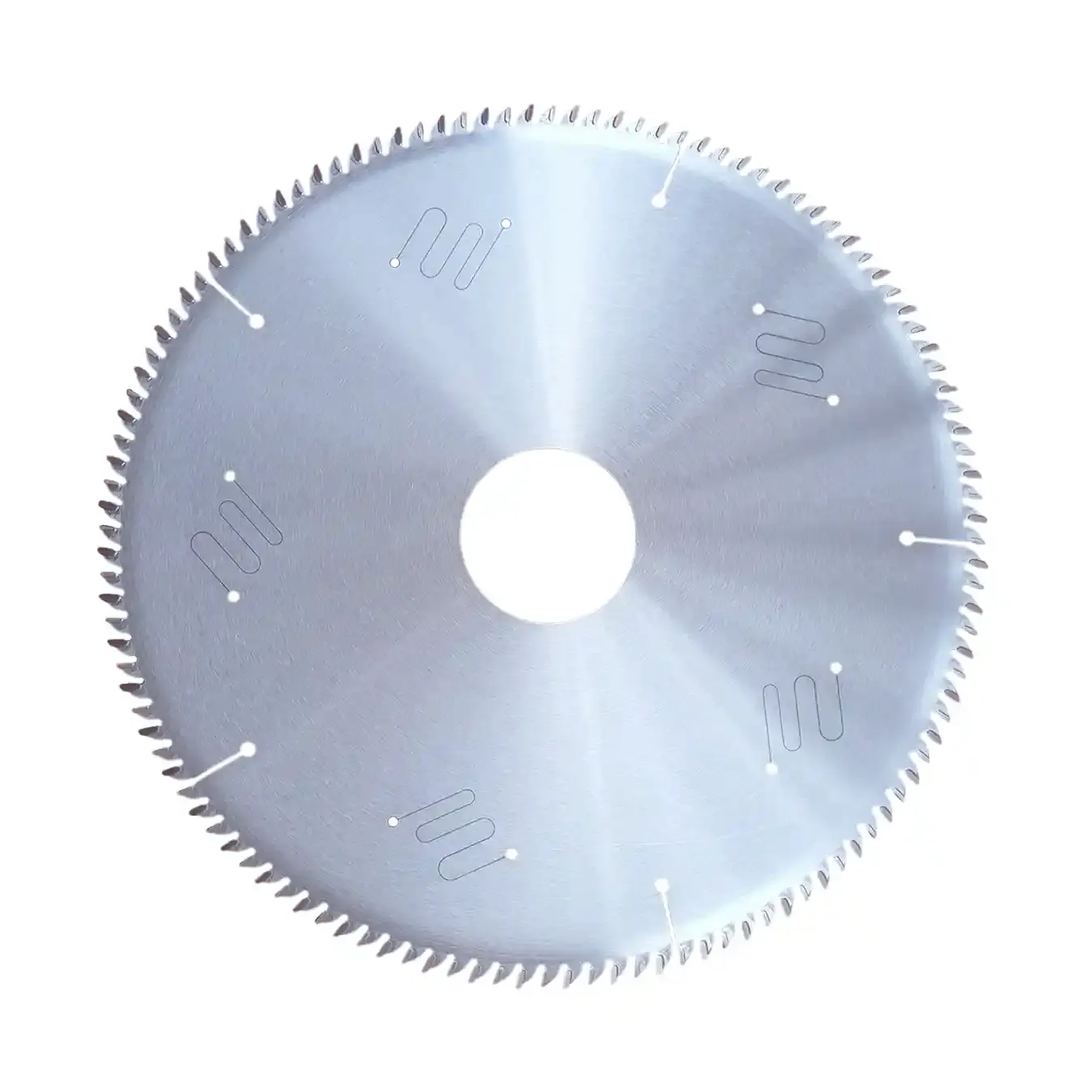
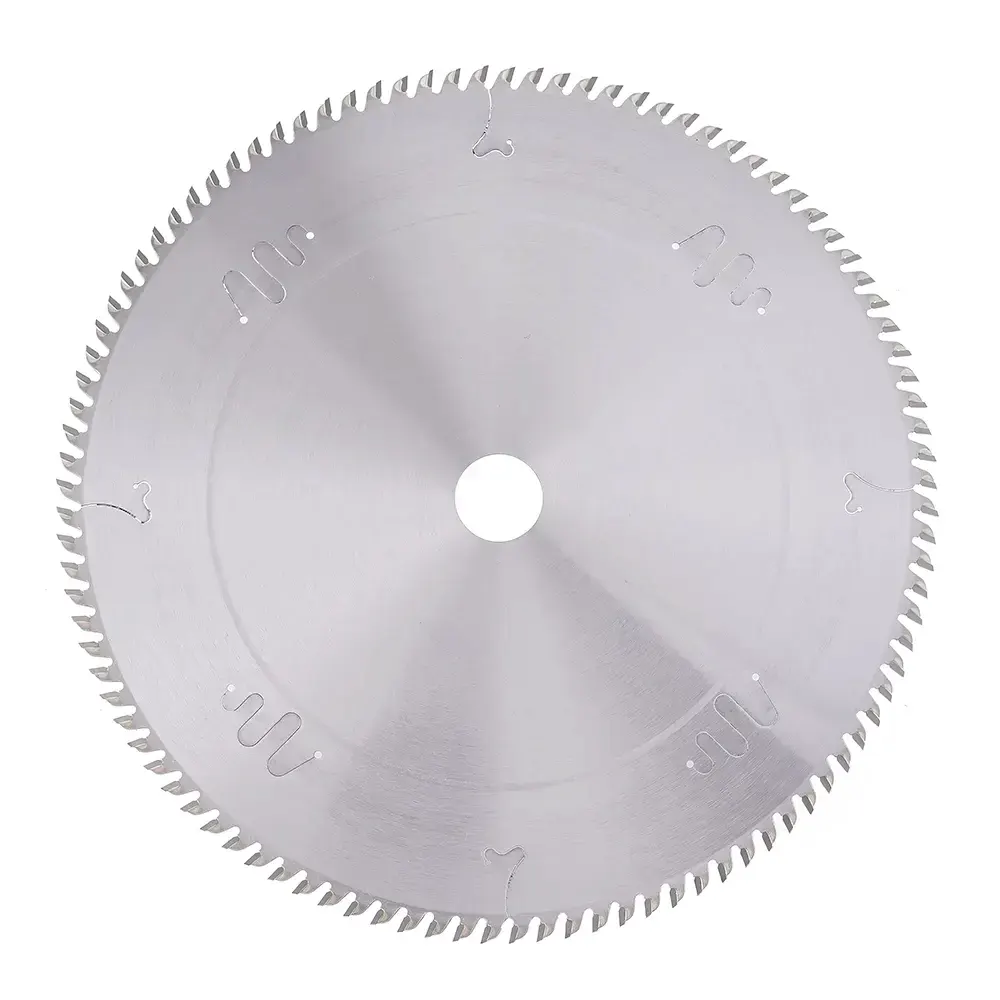
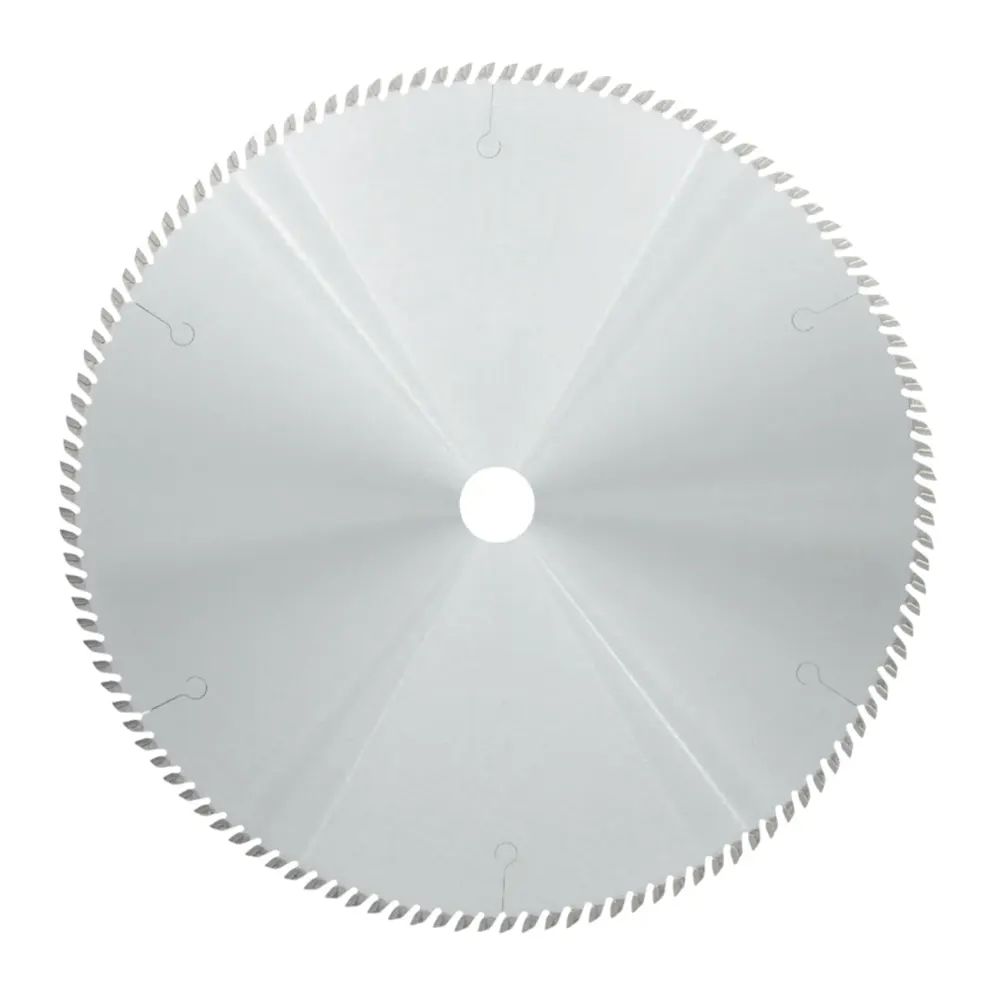
- Installed as left and right shoulder saw blades on multi-rip (gang rip) arbors.
- Used with thinner or standard center saw blades to build a stable and balanced blade pack.
- Suitable for solid wood ripping lines that need better edge-track stability and consistent strip width in high-volume production.
- This shoulder thick kerf saw blade is specifically designed to be positioned at both ends of the arbor to provide lateral support for the entire saw blade set.
Key Performance Advantages
- Thick shoulder kerf improves lateral support at both ends of the saw blade stack, resulting in significantly better overall stability.
- Helps reduce vibration and wandering on the outer cuts, delivering cleaner and straighter edges on the first and last strips.
- Supports more stable cutting performance when thinner center saw blades are used in the middle of the pack.
- Teeth are manufactured from premium ultra-fine grain carbide, offering excellent wear resistance and sharp, clean cutting edges even under demanding conditions.
- The saw body is precision-made from high-quality tool steel, providing superior rigidity and resistance to distortion in multi-blade operations.
- Integrated rakers assist effective chip control for smoother, more consistent running and reduced heat buildup.
Problems This Circular Saw Blade Helps Solve
- Instability at the outer edges of the arbor in multi-blade gang rip setups.
- Outer-cut wandering and inconsistent strip edge quality that affects final product accuracy.
- Vibration issues commonly experienced when mixing different saw blade thicknesses within the same pack.
- Excessive downtime caused by repeated width corrections and frequent setup adjustments.
- Poor overall pack rigidity leading to cut deviation and increased material waste on the outer boards.
Application Notes
- Install as a matched shoulder pair at both ends of the arbor for optimal balance and stability.
- Keep shoulder saw blades and center saw blades aligned in diameter and side clearance to ensure uniform cutting performance.
- Verify spacer stack, flange clamping, and overall pack rigidity before each production run.
- Regrind shoulders and center saw blades on the same schedule to maintain consistent width accuracy across the entire set.
- Regularly check arbor alignment and saw blade tension to maximize service life and cutting stability.